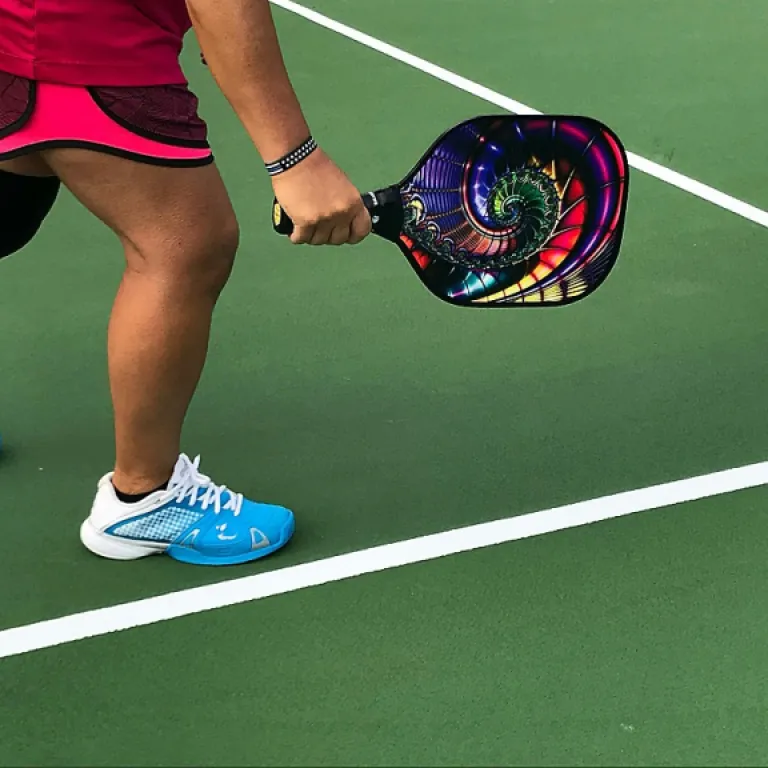
Understanding the importance of proper pickleball lighting
Why Lighting Matters for Pickleball Courts
Proper lighting is essential for any pickleball court, whether you play indoors or outdoors. The right illumination ensures players can see the ball clearly, react quickly, and avoid injuries. Good court lighting also extends playing hours, making it possible to enjoy pickleball in the evening or during cloudy days. Inadequate lighting can lead to eye strain, missed shots, and even accidents, especially on fast-paced courts.
Impact on Performance and Safety
Lighting systems designed for pickleball courts help maintain consistent brightness across the entire playing surface. This reduces shadows and dark spots that can disrupt gameplay. LED fixtures are popular for their high energy efficiency and long rated life hours, making them a smart investment for both indoor and outdoor pickleball courts. The color temperature and Color Rendering Index (CRI) of your lights also play a role in how well players can distinguish the ball and court lines, which is crucial for competitive matches.
Considerations for Different Court Environments
- Outdoor pickleball courts: Need weather-resistant fixtures with a high IP rating to withstand rain, dust, and temperature changes. Dark sky compliant lights help minimize light pollution in residential areas.
- Indoor pickleball courts: Require lighting design that avoids glare and provides even illumination from wall to wall. LED lighting is often preferred for its low maintenance and consistent performance.
Long-Term Value and Maintenance
Choosing the right lighting system is not just about initial brightness. It’s also about energy savings, fixture durability, and ease of maintenance. LED systems typically offer lower energy costs and longer life hours compared to traditional sport light options. This means less frequent replacement and reduced downtime for your pickleball court.
If you’re planning to build or upgrade your court, understanding the importance of proper lighting is a key first step. For more guidance on finding the right court for your needs, check out this resource on choosing a pickleball court.
Key features to look for in pickleball lighting systems
Essential Qualities for Effective Pickleball Court Lighting
When selecting lighting systems for your pickleball court, several features can make a significant difference in playability, safety, and long-term value. Whether you’re outfitting an indoor or outdoor pickleball court, understanding these key aspects will help you make informed decisions and avoid common pitfalls.
- Light Output and Illumination: The amount of light, measured in lumens, directly impacts visibility. For pickleball courts, aim for even illumination across the playing surface, minimizing shadows and dark spots. The recommended average is 30 to 50 foot-candles for recreational play, but higher levels may be needed for competitive or televised events.
- LED Lighting Efficiency: LED fixtures are now the standard for court lighting due to their energy efficiency, long rated life (often 50,000+ life hours), and consistent performance. LED systems also offer lower maintenance compared to traditional metal halide or fluorescent lights.
- Color Temperature and CRI: Color temperature, measured in Kelvins (K), affects how natural the court and ball appear. A range of 4000K to 5000K is ideal for most pickleball courts, providing a bright, daylight-like effect. The Color Rendering Index (CRI) should be 70 or higher to ensure accurate color visibility, which is crucial for tracking the ball and court lines.
- Fixture Placement and Light Poles: Proper lighting design involves strategic placement of fixtures and light poles to achieve uniform coverage. Mounting height is typically 18 to 26 feet for outdoor pickleball courts, but indoor pickleball setups may require different configurations to avoid glare and maximize court led distribution.
- Weather Resistance and Outdoor Rating: For outdoor pickleball lighting, choose fixtures with a high IP rating to withstand rain, dust, and temperature changes. Dark sky compliant options can also help reduce light pollution in residential areas.
- Maintenance and Accessibility: Consider how easy it is to access fixtures for cleaning or repairs. LED lighting systems generally require less frequent maintenance, but accessibility remains important for long-term court lighting performance.
For a comprehensive guide on building your own pickleball court, including lighting design and installation tips, check out this step-by-step resource.
Choosing the right lighting fixtures and systems is a crucial investment for both indoor and outdoor pickleball courts. Prioritizing these features will help ensure a safe, enjoyable, and energy-efficient playing environment for years to come.
Common lighting challenges on pickleball courts
Addressing Glare and Uneven Illumination
One of the most common lighting challenges on pickleball courts is glare. Glare can make it difficult for players to track the ball, especially during fast rallies. This issue often arises when fixtures are not properly shielded or positioned, causing direct light to hit players’ eyes. Using LED fixtures with the right optics and mounting them at the correct height and angle can help minimize glare and improve overall court visibility.
Dealing with Shadows and Dark Spots
Shadows and uneven illumination are frequent problems, particularly on outdoor pickleball courts. Poor lighting design or insufficient light poles can create dark areas on the court, affecting gameplay and safety. Ensuring the right number of fixtures and proper spacing is crucial for consistent illumination across the entire playing surface. High-quality sports lighting systems with a high color rendering index (CRI) and appropriate color temperature can also enhance visibility and reduce shadowing.
Managing Light Spill and Dark Sky Compliance
Outdoor pickleball lighting must balance effective illumination with environmental concerns. Light spill, or unwanted light escaping beyond the court, can disturb neighbors and contribute to light pollution. Many communities now require dark sky compliant lighting systems, which direct light only where it’s needed. Choosing LED lighting with precise beam control and shields helps meet these requirements while maintaining excellent court lighting.
Weather and Durability Factors
Outdoor pickleball courts face additional challenges from weather. Fixtures need a high rating for water and dust resistance, such as IP65 or higher, to withstand rain, wind, and temperature fluctuations. LED systems designed for outdoor use typically offer longer rated life hours and reduced maintenance, making them a smart investment for both indoor and outdoor pickleball courts.
Height and Placement of Light Poles
The height and placement of light poles directly impact the effectiveness of court lighting. Poles that are too short or poorly positioned can cause uneven illumination and increase glare. For most pickleball courts, light poles should be at least 18 to 20 feet high, with fixtures spaced to provide uniform coverage. Proper lighting design considers the dimensions of the court and the specific needs of indoor or outdoor play.
- Glare reduction: Use shielded LED fixtures and optimal mounting angles
- Uniform illumination: Ensure correct fixture spacing and sufficient number of lights
- Environmental impact: Select dark sky compliant systems for outdoor pickleball
- Durability: Choose fixtures with high IP ratings for outdoor courts
- Light pole placement: Follow recommended heights and distances for best results
For more on optimizing your court experience, check out this guide on enhancing your game with pickleball court tape.
Best practices for installing pickleball lighting
Steps for Effective Court Lighting Installation
Proper installation of lighting systems is crucial for both indoor and outdoor pickleball courts. Start by evaluating the court layout and determining the optimal placement for light poles and fixtures. For most standard pickleball courts, fixtures should be positioned at least 18 to 20 feet above the playing surface. This height helps minimize glare and ensures even illumination across the court.- Use LED fixtures with a high color rendering index (CRI) to enhance visibility and color accuracy during play.
- Choose fixtures rated for outdoor use if your court is exposed to the elements. Look for weather-resistant ratings and dark sky compliance to reduce light pollution.
- Consider the color temperature of your lights. A range between 4000K and 5000K is generally recommended for sports lighting, providing a bright, natural white light ideal for pickleball.
- Ensure that each fixture provides consistent illumination, avoiding dark spots or excessive brightness that can affect gameplay.
- For indoor pickleball courts, select lighting systems that minimize flicker and provide uniform coverage across the entire playing area.
Wiring, Controls, and Energy Efficiency
When installing court LED lighting, use quality wiring and electrical components rated for the fixture’s power requirements. Incorporate energy-efficient LED systems to reduce long-term maintenance and energy costs. Many modern LED lighting systems offer smart controls, allowing you to adjust illumination levels based on time of day or court usage.- Install lighting controls in accessible locations for easy operation.
- Opt for LED fixtures with long rated life hours to minimize maintenance needs.
- Plan for future maintenance by ensuring fixtures and light poles are accessible for cleaning and repairs.
Safety and Compliance Considerations
Always follow local electrical codes and safety guidelines when installing sports lighting. For outdoor pickleball courts, ensure that all fixtures and wiring are protected against moisture and weather. Use fixtures with appropriate IP ratings for outdoor environments. Properly installed lighting not only enhances play but also extends the life of your court lighting systems and reduces the risk of electrical hazards.Comparing popular lighting options for pickleball
Evaluating Popular Lighting Technologies for Pickleball Courts
When selecting lighting systems for pickleball courts, understanding the differences between available technologies is essential. The most common options include LED lighting, metal halide fixtures, and high-pressure sodium lights. Each system has unique strengths and considerations regarding energy efficiency, color rendering, and maintenance.
- LED Lighting: LED fixtures are now the preferred choice for both indoor and outdoor pickleball courts. They offer high energy efficiency, long rated life hours (often exceeding 50,000 hours), and excellent color rendering index (CRI). LEDs provide consistent illumination and are available in various color temperatures, allowing for tailored lighting design. Their low maintenance needs and compatibility with dark sky regulations make them ideal for modern sports lighting.
- Metal Halide: These fixtures have been widely used in sports lighting for years. Metal halide lights deliver bright illumination and decent color rendering, but their energy consumption is higher than LEDs. They also require more frequent maintenance and have a shorter rated life. Warm-up times and potential color shift over time are additional drawbacks.
- High-Pressure Sodium: While energy efficient, high-pressure sodium lights have a lower CRI, which can affect visibility and color perception on the court. Their yellowish light is less suitable for pickleball, where accurate color distinction is important for both indoor and outdoor play.
Key Comparison Factors
| Lighting Type | Energy Efficiency | Rated Life (Hours) | CRI | Color Temperature | Maintenance |
|---|---|---|---|---|---|
| LED Fixtures | High | 50,000+ | 80-90+ | 3000K-6000K | Low |
| Metal Halide | Moderate | 10,000-20,000 | 60-70 | 4000K-5000K | Moderate |
| High-Pressure Sodium | High | 24,000 | 20-30 | 2000K-2200K | Low |
For most pickleball courts, especially those seeking optimal visibility and low long-term costs, LED systems stand out. They provide uniform illumination across the court, are available in both indoor and outdoor models, and can be paired with advanced controls for energy savings. When planning your court lighting, consider fixture placement, pole height (often 18-26 feet for outdoor pickleball), and the specific needs of your facility. Prioritizing high-quality LED lighting ensures a better playing experience and reduces ongoing maintenance.
Maintenance tips to keep your pickleball lighting effective
Routine Checks to Extend Lighting System Life
Regular maintenance is essential to keep your pickleball court lighting systems performing at their best. Start by inspecting all light fixtures and LED systems for signs of wear, corrosion, or damage. Pay attention to the light poles and mounting hardware, especially for outdoor pickleball courts where weather can accelerate deterioration. Cleaning lenses and covers helps maintain optimal illumination and prevents dust or debris from reducing light output.
Monitoring Performance and Color Quality
Check the color temperature and CRI (Color Rendering Index) of your court lighting periodically. Over time, even high-quality LED fixtures can experience shifts in color or brightness. Monitoring these factors ensures consistent play conditions for both indoor and outdoor courts. If you notice uneven lighting or color changes, it may be time to replace or recalibrate certain fixtures.
Addressing Energy Efficiency and Fixture Longevity
LED lighting is popular for its energy efficiency and long rated life hours, but it still requires attention. Review the energy consumption of your lighting design and compare it to the manufacturer’s specifications. If your system uses more energy than expected, check for faulty fixtures or outdated components. Replacing older lights with modern LED fixtures can improve efficiency and reduce maintenance needs.
Maintaining Safety and Compliance
For both indoor and outdoor pickleball courts, ensure that all lighting systems meet local safety codes and dark sky regulations. Secure all wiring and check that fixtures are rated for the environment—outdoor-rated lights for exterior courts, and appropriate indoor fixtures for inside play. Proper maintenance not only extends the life of your court LED systems but also keeps your facility safe and compliant.
- Clean lenses and reflectors regularly to maintain high illumination levels.
- Inspect mounting hardware and light poles for stability and rust.
- Test the lighting at different times to catch any performance drops.
- Replace any flickering or dim lights promptly to avoid uneven court lighting.
By following these maintenance tips, you help ensure your pickleball lighting remains effective, energy-efficient, and safe for all players, whether on indoor or outdoor courts.