

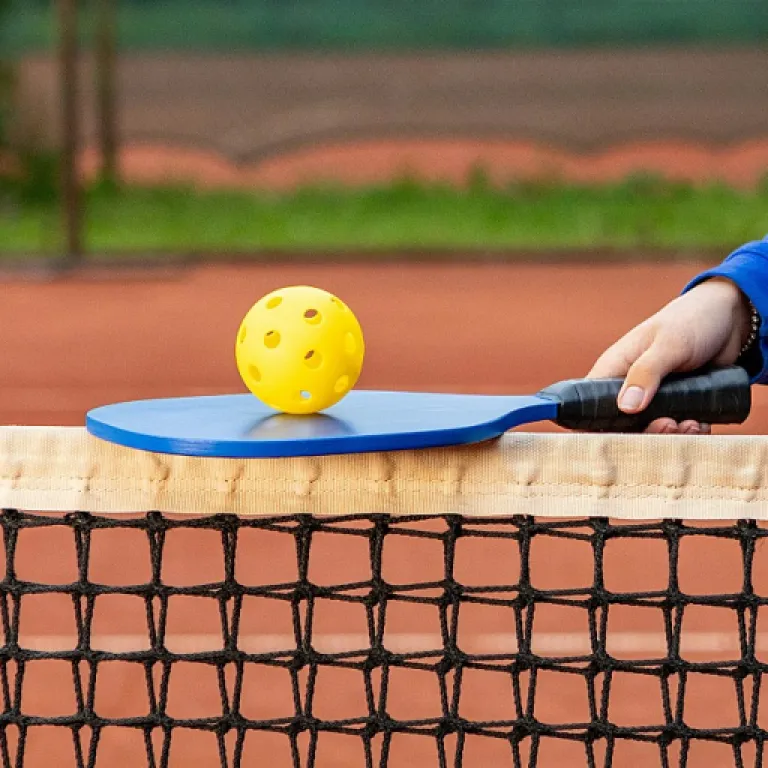
Understanding what a pickleball court kit includes
What You Get in a Pickleball Court Kit
When considering a pickleball court kit, it’s important to know exactly what’s included and how each component contributes to your playing experience. A typical kit is designed to help you create a regulation or custom size court, whether for indoor or outdoor use. The main elements focus on providing a safe, high impact, and perfectly flat playing surface that meets USA Pickleball standards.
- Court Tiles: Most kits use interlocking court tiles, often with a peg interlocking or loop peg system. These tiles are engineered for durability and a consistent ball bounce, and are resistant to weather for outdoor pickleball courts. Some kits offer floor tiles suitable for both indoor and outdoor areas.
- Flooring Kit: The flooring kit usually includes all the materials needed to cover your chosen area, whether it’s a concrete slab or another flat surface. The tiles are designed to be easy to install and to create a perfectly flat court flooring.
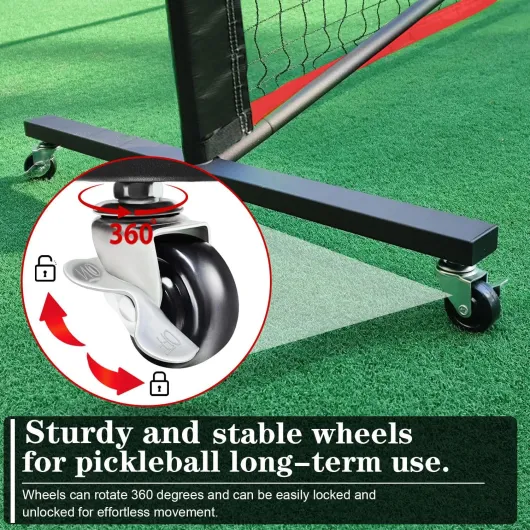
- Net System: A portable or semi-permanent net is included, meeting USAPA height and width requirements. This ensures fair play and proper volley action.
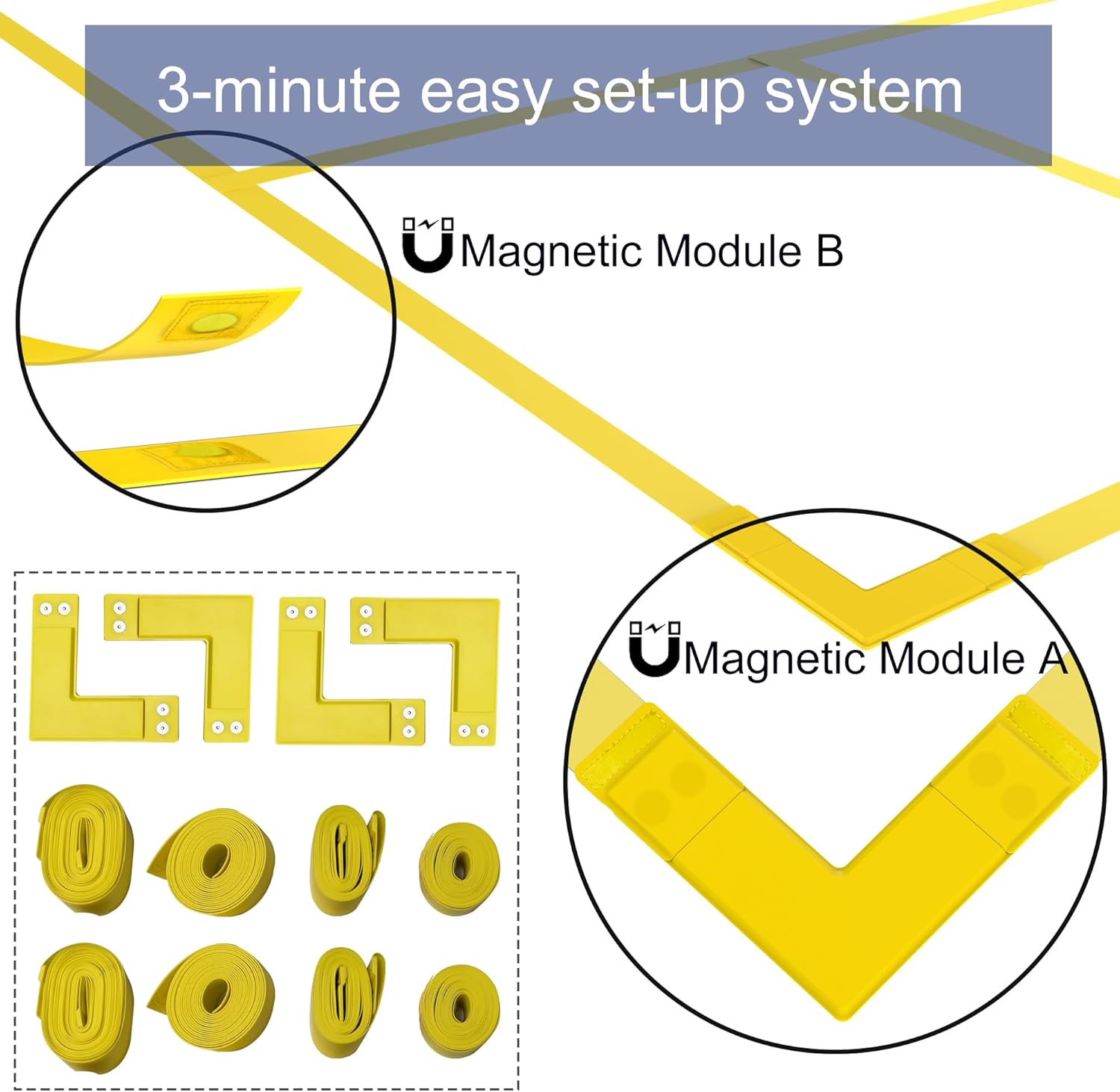
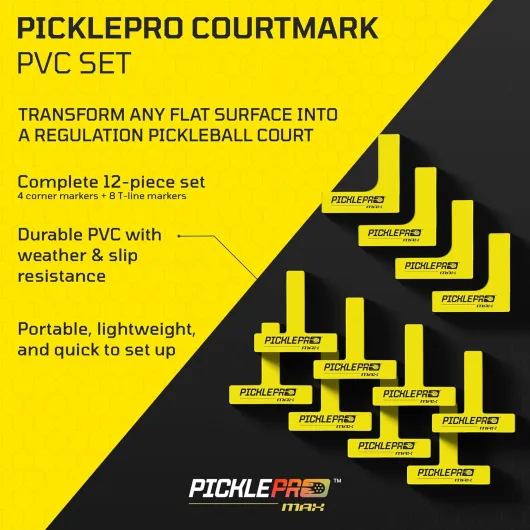
- Lines and Markings: Court lines are a critical part of any kit. Some kits come with lines painted directly on the tiles, while others provide tape or stencils for custom application. This allows you to mark out the correct lines areas for singles or doubles play.
- Accessories: Depending on the kit, you may also receive boundary markers, anchors, or tools to assist with installation and maintenance.
Each kit is designed to simplify the installation process, but the quality and features can vary. The choice between painted lines, interlocking systems, and types of court flooring can impact both the playability and longevity of your court. As you explore your options, consider how the kit’s components will perform in your specific location and how they align with your expectations for outdoor or indoor play. For more insights into the construction process and what makes a professional-grade court, check out this guide on pickleball court construction expertise.

Choosing the right location for your court
Key factors for picking your court spot
Choosing the right location for your pickleball court kit is crucial for both playability and long-term satisfaction. The area you select will influence the installation process, the durability of your court flooring, and the overall playing experience. Here are some important considerations:
- Surface flatness: A perfectly flat surface is essential for proper ball bounce and to prevent injuries. Concrete slabs are a popular choice, but some kits can be installed over asphalt or other hard, level bases. Avoid sloped or uneven ground, as this can affect the lines painted and the interlocking system of your court tiles.
- Indoor or outdoor use: Decide if your court will be indoors or outdoors. Outdoor pickleball courts require flooring and tiles that are weather resistant and offer high impact durability. Indoor courts may have different requirements for court flooring and net installation.
- Space requirements: Make sure the area is large enough for the full court kit, including the net and all lines areas. The official USA Pickleball (USAPA) guidelines recommend a minimum playing area of 30 feet by 60 feet, but custom size kits are available if your space is limited.
- Sun and wind exposure: For outdoor courts, consider the direction of the sun and prevailing winds. Too much direct sunlight can fade lines and court tiles, while strong winds can affect play and net stability.
- Accessibility and safety: The court area should be easily accessible and free from obstacles. Make sure there is enough space around the court for players to move safely, especially in volley and high-activity areas.
For those considering portable or modular flooring kits, exploring the benefits of portable flooring for pickleball courts can help you decide if this option fits your needs. Interlocking court tiles, including peg interlocking and loop peg systems, offer flexibility for both indoor and outdoor installations.
Once you have chosen your location, you can move on to comparing court kit materials and understanding the best installation methods for your chosen surface. The right location sets the foundation for a quality pickleball experience, whether you are playing on a permanent or temporary court.
Comparing different court kit materials
Key Materials Used in Pickleball Court Kits
When comparing pickleball court kits, the choice of materials is crucial for both playability and long-term durability. The main components to consider are the court flooring, tiles, and the net system. Each material impacts the ball bounce, player comfort, and the overall experience on the court.
- Court Tiles: Most modern kits use high impact, interlocking court tiles. These are designed for both indoor and outdoor pickleball, offering a perfectly flat surface that supports consistent ball bounce and safe movement. Look for tiles with a peg interlocking or loop peg system for easier installation and stability.
- Flooring Options: Some kits are made for direct installation over a concrete slab, while others can be placed on existing surfaces. Outdoor pickleball court flooring should be UV resistant and weatherproof to handle the elements. Indoor/outdoor flooring kits often feature anti-slip textures and drainage holes to keep the area safe and dry.
- Lines and Markings: Court kits may come with lines painted directly on the floor tiles or provide tape for custom size lines areas. Painted lines are more durable and meet USA Pickleball (USAPA) standards for clarity and accuracy.
- Net System: The net included in a kit should be sturdy, easy to assemble, and meet regulation height. Some kits offer portable nets, while others include a more permanent net system.
Comparing Durability and Performance
Durability is a top priority, especially for outdoor pickleball courts. High-quality court tiles are resistant to fading, cracking, and warping, ensuring your court area stays in top shape for years. The interlocking system also allows for easy replacement of individual tiles if needed.
For those who want to maximize their practice, pairing a quality court kit with a pickleball ball machine can help improve volleys and overall skills on any surface.
Choosing the Right Material for Your Needs
Consider your specific needs: Will the court be used mostly for outdoor pickleball, or do you need a versatile indoor/outdoor solution? Do you require a custom size or a standard USAPA area? The right kit will offer the best combination of court flooring, net, and lines to match your playing style and installation preferences.
Installation tips for your pickleball court kit
Preparing Your Surface for a Smooth Installation
Before you start assembling your pickleball court kit, make sure your chosen area is perfectly flat and clean. Whether you are working with a concrete slab or another hard surface, remove any debris and check for cracks or uneven spots. A level surface is essential for proper court flooring installation and optimal ball bounce during play.
Step-by-Step Guide to Laying Court Tiles
- Start with the base: Lay out your interlocking court tiles, beginning at one corner of your designated area. Most kits use a peg interlocking or loop peg system, making it easy to snap tiles together securely.
- Work methodically: Continue placing tiles row by row, ensuring each tile locks tightly with its neighbor. This creates a stable, high impact resistant surface suitable for both indoor and outdoor pickleball.
- Custom sizing: If your area is not a standard size, many flooring kits allow you to trim tiles for a custom fit. Always use proper tools and follow the manufacturer’s guidelines for safety.
Setting Up the Net and Marking Court Lines
- Net installation: Most court kits include a portable net system. Position the net posts at the center of the court, ensuring the net height meets USA Pickleball (USAPA) standards for competitive play.
- Lines and areas: Some kits come with lines painted directly on the floor tiles, while others provide tape or stencils for marking court lines. Double-check that the lines are straight and clearly define the volley and non-volley areas according to USAPA guidelines.
Tips for Outdoor and Indoor Installations
- Outdoor pickleball courts: Choose court tiles that are UV and weather resistant to withstand the elements. Proper drainage is also important to prevent water buildup under the flooring.
- Indoor courts: Ensure your flooring kit is compatible with your existing indoor surface. Interlocking systems are ideal for quick installation and easy removal if needed.
Taking the time to follow these installation tips will help you create a safe, durable, and enjoyable pickleball court. A well-installed court kit ensures consistent play, reliable ball bounce, and long-lasting performance for all your games.
Maintenance and care for your pickleball court
Keeping your pickleball court in top shape
Regular maintenance is essential for a pickleball court, whether you have installed a kit on a concrete slab or chosen interlocking court tiles. Consistent care not only extends the life of your court flooring but also ensures a safe and enjoyable playing area for every volley.- Cleaning the surface: Sweep or blow off debris like leaves, dirt, and dust from the court tiles or painted floor. For outdoor pickleball courts, rinsing with water helps prevent buildup. Avoid harsh chemicals that could damage the court kit materials.
- Inspecting court lines and net: Check that the lines painted or marked on the floor tiles remain visible and within USA Pickleball (USAPA) standards. Repaint or touch up lines areas as needed. Ensure the net is properly tensioned and free of tears.
- Checking for damage: Examine the interlocking system, especially peg interlocking or loop peg connections, for any loose or broken tiles. Replace damaged court tiles promptly to maintain a perfectly flat and safe surface.
- Weather protection: For outdoor courts, choose resistant materials and consider covering the area during harsh weather. High impact and UV-resistant flooring kits will last longer and keep the ball bounce consistent.
- Seasonal care: In colder climates, remove snow and ice carefully to avoid damaging the court flooring. For indoor outdoor courts, monitor humidity and temperature changes that might affect the floor tiles or painted floor.
Maximizing court longevity
A well-maintained pickleball court kit can provide years of play. Use only recommended cleaning tools and products for your specific court kit material. If your court is custom size, pay extra attention to the edges and transition areas. Regularly check the interlocking system to ensure each tile is secure, especially after heavy use or weather events. By following these steps, you will keep your pickleball area ready for every game and maintain optimal ball bounce and safety.Cost considerations and budgeting for a court kit
Budgeting for Your Pickleball Court Project
When planning your pickleball court, understanding the full range of costs is essential. The price of a court kit can vary depending on the size, materials, and features you select. Here are some important factors to consider:- Kit Components: A standard kit typically includes court tiles, a net system, and lines (either painted or pre-marked). Some kits offer additional features like high impact interlocking systems, loop peg connectors, or custom size options for unique areas.
- Surface Preparation: If your area is not already a perfectly flat concrete slab or suitable surface, you may need to invest in leveling or resurfacing. This can be a significant part of your budget, especially for outdoor pickleball courts exposed to weather.
- Material Choices: Court flooring options range from basic floor tiles to advanced, weather-resistant interlocking court tiles. The choice between indoor outdoor flooring kits, or those designed for specific climates, will affect the price.
- Installation: Some court kits are designed for DIY installation with peg interlocking or loop peg systems, while others may require professional help. Factor in potential labor costs if you are not installing the kit yourself.
- Maintenance: Ongoing care, such as cleaning the court surface, repainting lines, or replacing damaged tiles, should be included in your long-term budget. Durable, UV-resistant materials may cost more upfront but can reduce maintenance costs over time.
- Accessories: Don’t forget to budget for additional items like extra nets, boundary markers, or storage for balls and paddles. These can enhance your playing experience and prolong the life of your court.
| Cost Factor | Typical Range | Notes |
|---|---|---|
| Court Kit (tiles, net, lines) | $800 - $4,000+ | Depends on quality, size, and features |
| Surface Preparation | $0 - $5,000+ | Varies by existing area condition |
| Installation | $0 - $2,000+ | DIY vs. professional installation |
| Maintenance (annual) | $100 - $500 | Cleaning, repairs, repainting lines |
| Accessories | $50 - $500 | Balls, paddles, storage, extra nets |