
Understanding the mixing drill paddle in pickleball
What is a Mixing Drill Paddle in Pickleball Training?
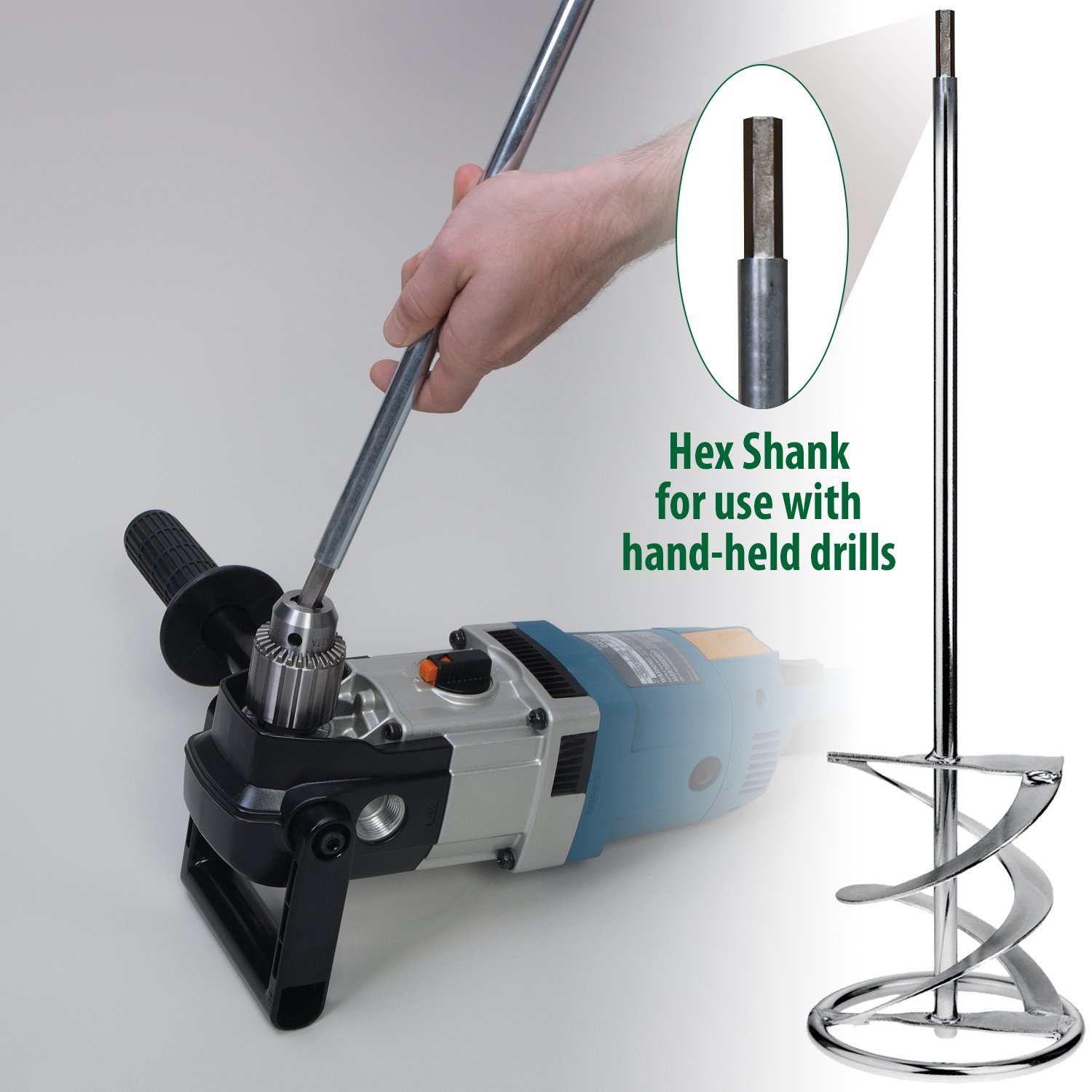
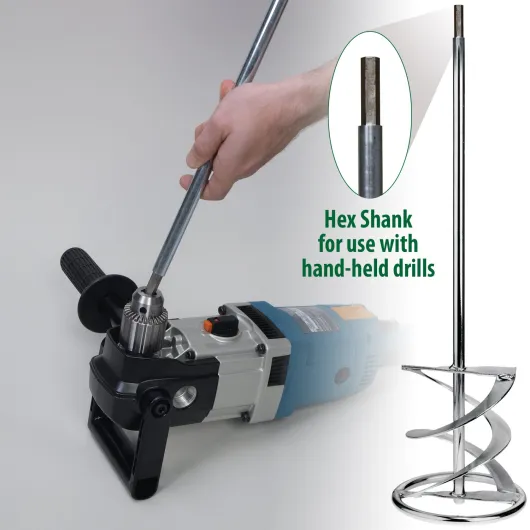
In pickleball, the term "mixing drill paddle" refers to a specialized tool designed to enhance training sessions. Unlike standard paddles, these are inspired by industrial mixer paddles, such as those used for stirring cement, epoxy resin, or silicone in construction. The concept is simple: by using a paddle that mimics the resistance and weight of a heavy duty mixer paddle, players can build strength, improve control, and develop better technique.
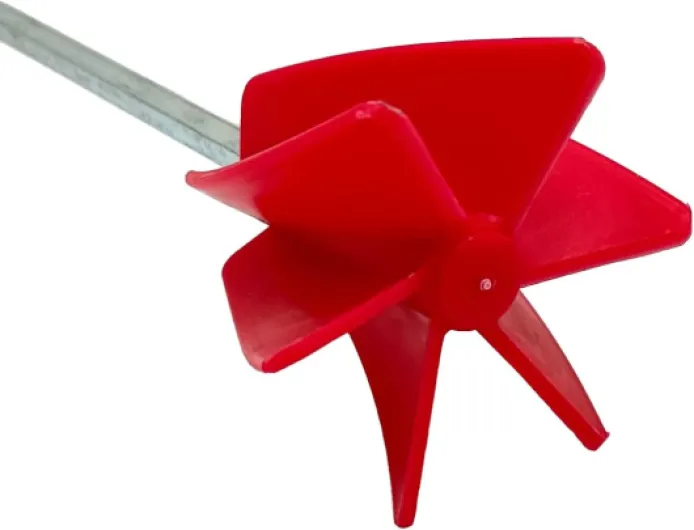
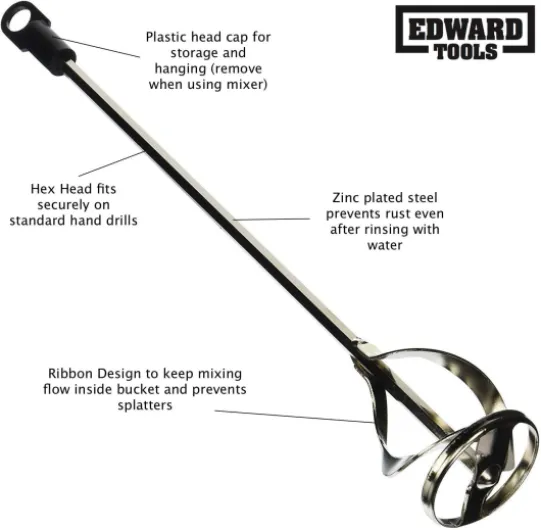
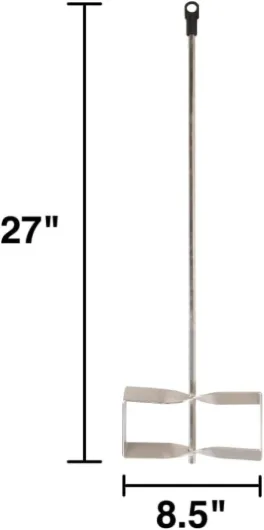
Mixing paddles come in various shapes and sizes, including bird cage, collomix universal, and viscosity paddle designs. Some are modeled after the classic mud mixer or mortar mixer, while others are more compact, suitable for small batch or bucket training. The paddle small unit is ideal for those looking to save space and focus on targeted drills. These products are often made from durable materials to withstand repeated use, similar to a concrete stirrer or cage mixer.
- Purpose: To add resistance and variety to pickleball drills, simulating different play conditions.
- Design: Inspired by mixer paddles used for mixing paint, cement, or epoxy resin, but adapted for pickleball training needs.
- Unit Price: The price can vary depending on the material and brand, with options ranging from low price units for beginners to premium collomix products for advanced players.
When choosing a mixing paddle, consider the viscosity paddle type, the size of your training bucket or gallon, and whether you need a heavy duty or small paddle. The right paddle can help you practice with different levels of resistance, making your training more effective.
For those new to these training aids, it's helpful to explore resources on enhancing your game with effective pickleball training aids to understand how a mixing drill paddle fits into a broader training strategy.

Benefits of training with a mixing drill paddle
Why Mixing Drill Paddles Improve Your Pickleball Training
Training with a mixing drill paddle can elevate your pickleball practice in ways that standard paddles simply cannot. These specialized paddles, inspired by tools like the Collomix universal mixer paddle or bird cage stirrer, are designed to challenge your control, timing, and adaptability. Here’s how they can benefit your routine:
- Enhanced Hand-Eye Coordination: The unique shape and weight distribution of a mixing paddle, similar to a cement or mud mixer, require you to adjust your grip and swing. This helps develop sharper reflexes and more precise ball contact.
- Strength and Endurance Building: Using a heavy duty paddle mixer or a viscosity paddle during drills increases resistance. This can help strengthen your wrist, forearm, and shoulder muscles, preparing you for longer matches with less fatigue.
- Improved Ball Control: The unconventional surface area of a mixer paddle, whether it’s a small batch paddle or a bucket stirrer, forces you to focus on accuracy. This translates to better shot placement and finesse during actual games.
- Variety in Training: Incorporating different paddles mixing tools, like a silicone stirrer or epoxy resin mixer, keeps your practice sessions engaging. This variety can help break monotony and address different skill sets.
- Cost-Effective Training: Many mixing paddles are available at a price low enough to fit most budgets. Whether you choose a unit price or price unit option, you can save money while still accessing quality training aids.
For those looking to further enhance their training, exploring effective pickleball training aids can provide additional insights and product recommendations.
| Type of Mixing Paddle | Best Use | Typical Price Range |
|---|---|---|
| Collomix Universal | General skill building | Medium |
| Bird Cage Mixer | Hand-eye coordination | Low to Medium |
| Heavy Duty Mortar Mixer | Strength training | Medium to High |
| Paddle Small (for small batch) | Precision drills | Low |
In summary, integrating a mixing drill paddle—whether it’s a concrete stirrer, a cage mixer, or a paddle mixer—can make your pickleball training more dynamic and effective. The right product can help you build skills that transfer directly to your game, all while keeping your training fresh and engaging.
Techniques for effective mixing drill paddle practice
Key Drills for Mastering the Mixing Drill Paddle
To get the most out of your mixing drill paddle in pickleball, focus on drills that simulate real-game scenarios and improve your control. Start with basic ball control exercises. Use a heavy duty paddle mixer or a bird cage style mixing paddle to practice consistent contact with the ball. This helps develop wrist strength and precision, especially when working with small batch drills in a confined space like a bucket or a small court area.
- Consistency Drill: Hit the ball repeatedly against a wall using your mixing paddle. Aim for a set number of hits without losing control. This technique is ideal for building muscle memory and improving your reaction time.
- Target Practice: Place markers or buckets at different spots on the court. Try to direct the ball into each target using your paddle. This drill enhances your aim and helps you adjust to the paddle’s unique weight and balance, similar to how a cement stirrer or a viscosity paddle requires steady handling.
- Power and Control: Alternate between soft dinks and powerful drives. The mixing paddles, especially those designed for mud or concrete mixing, can be heavier, so this drill helps you adapt to the paddle’s weight and maintain control during fast exchanges.
Adjusting Your Grip and Stance
Because mixing paddles and mixer paddles differ from standard pickleball paddles in shape and weight, adjust your grip for comfort and control. Use a relaxed grip, similar to holding a silicone stirrer or a collomix universal paddle. Stand with your feet shoulder-width apart and knees slightly bent. This stance gives you stability and allows for quick movement, whether you’re practicing with a gallon-sized paddle or a smaller unit.
Incorporating Realistic Game Movements
Integrate footwork and positioning into your drills. Move laterally and forward-backward as you hit the ball, mimicking actual gameplay. This approach helps you transition smoothly between shots, especially when using a paddle mixer or a cage mixer with a unique balance. Practicing with different mixer paddles and paddle sizes, from paddle small to heavy duty, prepares you for various in-game situations.
Tracking Progress and Adjusting Techniques
Keep track of your performance by noting how many successful repetitions you achieve with each drill. If you notice fatigue or loss of control, consider adjusting your paddle choice or switching to a lighter product, such as a small batch stirrer drill. Monitoring your progress helps you identify which mixing paddles or unit price options best suit your training needs.
For those looking to set up an optimal training environment, check out this guide on how to choose and set up a portable pickleball court. The right court setup can make your mixing drill paddle practice more effective and enjoyable.
Common mistakes when using a mixing drill paddle
Frequent Pitfalls When Practicing with Mixing Drill Paddles
- Using the Wrong Paddle for the Job
Not all mixing paddles are designed for pickleball training. Some players mistakenly use heavy duty cement or mortar mixer paddles, which are built for high viscosity materials like concrete or epoxy resin. These can be too heavy or unbalanced, making it difficult to control your shots and risking injury. Always check if the paddle is suitable for sports use, not just for mixing mud or silicone in a bucket. - Ignoring Paddle Size and Weight
A paddle small enough for comfortable handling is essential. Oversized mixer paddles or bird cage stirrers meant for large gallon buckets can throw off your swing and timing. Small batch paddles or those designed for a collomix universal mixer may be more appropriate, but always consider the unit weight and grip. - Improper Drill Speed
Some players use a drill paddle at speeds too high, similar to mixing cement or paint. This can lead to poor technique and even damage to the paddle or product. Low and controlled speeds are best for pickleball training, mimicking real game conditions rather than the fast mixing needed for a viscosity paddle. - Overlooking Safety
Using a stirrer drill or paddle mixer without proper safety checks can be risky. Ensure the paddle is securely attached and that the drill is set to a safe speed. Avoid using a mixer paddle with sharp or exposed edges, as some paddles mixing units are designed for industrial use, not sports. - Focusing Only on Price
While a price low or unit price may be tempting, the cheapest mixing paddle may not offer the durability or balance needed for effective training. Consider the original product quality, not just the price unit, to save money and frustration in the long run.
| Common Mistake | Better Practice |
|---|---|
| Using a heavy duty mixer paddle | Choose a paddle designed for sports training |
| Ignoring paddle size | Pick a paddle small enough for easy handling |
| Setting drill speed too high | Use low, controlled speeds |
| Neglecting safety checks | Secure attachments and check for safe edges |
| Choosing based on price alone | Balance price with product quality |
By being aware of these common mistakes, you can get more out of your mixing drill paddle sessions and make your pickleball training safer and more effective. Always match your paddle and drill to your needs, whether you are working with a collomix, cage mixer, or a paddle mixer designed for sports.
Choosing the right mixing drill paddle for your needs
Factors to Consider When Selecting Your Mixing Drill Paddle
Choosing the right mixing drill paddle for pickleball training can make a real difference in your practice sessions. The market offers a wide range of paddles and mixer paddles, each with unique features and price points. Here are some key aspects to keep in mind:
- Material and Durability: Look for heavy duty options made from robust materials like silicone or metal. Products such as the Collomix universal paddle or a bird cage mixer are designed to withstand repeated use, especially if you often work with high viscosity materials like cement or epoxy resin for off-court drills.
- Size and Compatibility: Consider the size of the paddle and the batch you plan to mix. A paddle small or a mixer paddle for a 1-gallon bucket is ideal for small batch training, while larger units suit more extensive mixing needs. Make sure your drill paddle fits your existing drill or stirrer drill to avoid compatibility issues.
- Mixing Efficiency: The design of the mixing paddle affects how well it blends materials. A cage mixer or mortar mixer with a unique stirrer shape can save time and ensure even mixing, which is crucial for consistent training surfaces or equipment preparation.
- Price and Value: Compare unit price and price unit across different products. While some paddles mixing tools offer a low price, investing in an original or branded product like Collomix can provide better longevity and performance, ultimately saving money in the long run.
- Intended Use: Think about what you’ll be mixing—mud, concrete, epoxy resin, or other materials. Some mixer paddles are specifically designed for certain viscosities, so choosing the right viscosity paddle or stirrer ensures optimal results.
| Product | Material | Batch Size | Best For | Price Range |
|---|---|---|---|---|
| Collomix Universal Paddle | Metal | Large | Heavy duty mixing | High |
| Bird Cage Mixer | Metal | Medium | Concrete, mortar | Medium |
| Silicone Paddle Small | Silicone | Small | Epoxy resin, small batch | Low |
By evaluating these factors, you can select a mixing paddle that matches your training needs, helps you save time, and ensures consistent results. Always check product specifications and reviews to ensure the paddle mixer or stirrer drill you choose is suitable for your pickleball training routine.
Integrating the mixing drill paddle into your regular training routine
Making the Mixing Drill Paddle Part of Your Training Sessions
To get the most out of your mixing drill paddle, it’s important to treat it as a regular part of your pickleball training routine. This approach helps you build consistency and maximize the benefits discussed earlier, such as improved control and strength.- Schedule dedicated sessions: Set aside time each week to use your mixing paddle, just as you would with other training equipment. This could be during warm-ups, skill drills, or cool-downs.
- Combine with other drills: Alternate between your regular paddle and the mixing drill paddle. For example, use the mixer paddle for a few minutes to work on grip strength, then switch back to your original paddle to notice the difference in control and power.
- Track your progress: Keep a simple log of your sessions. Note which drills you performed, the type of mixing paddle used (such as a collomix universal or bird cage style), and any improvements in your performance.
- Adjust for batch size: If you’re training alone or with a partner, a paddle small enough for a bucket or small batch practice is ideal. For group sessions, consider a heavy duty or larger unit to simulate more resistance, similar to mixing cement or mortar.
- Monitor wear and tear: Regularly check your paddle mixer for signs of damage, especially if you use it with high viscosity drills or heavy duty routines. Replacing worn mixer paddles ensures safety and effectiveness.
Practical Tips for Seamless Integration
- Store your mixing paddles and stirrer drill with your other pickleball gear, so you remember to use them.
- If you’re on a budget, compare unit price and price low options before buying a new product. Some brands offer a variety of paddles mixing options, from silicone to epoxy resin compatible models.
- For those who train in different environments, a portable paddle mixer or mud mixer that fits a standard gallon bucket can save time and effort.
- Always clean your mixer paddle after use, especially if you use it for both pickleball and other mixing tasks like concrete or mortar. This prevents residue buildup and extends the life of your equipment.