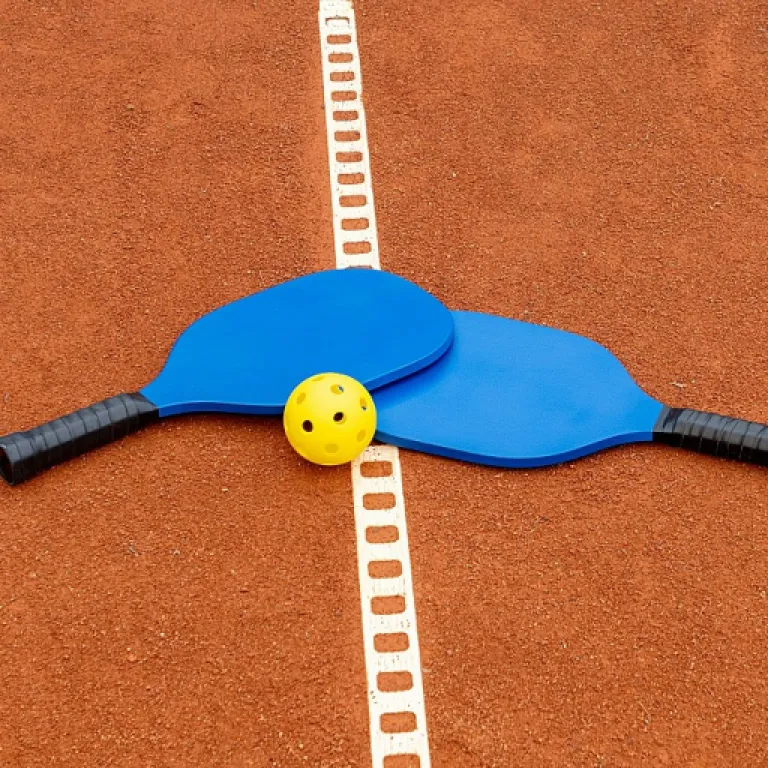
How pickleball courts in sterling are reshaping local sport culture
Pickleball courts in sterling have become a focal point for residents seeking accessible sport. Around each court the community forms new routines, from early morning play to late evening rallies under lights. The atmosphere feels different from traditional tennis because pickleball invites mixed ages and skill levels into the same shared space.
Many players arrive from nearby tennis courts, curious about how tennis pickleball compares in pace and strategy. They quickly learn that a played court in pickleball rewards precision and patience more than raw power, which keeps rallies engaging for longer stretches of play. This shift has encouraged sterling community members who once felt intimidated by tennis to step confidently onto a designated pickleball court.
The county has noticed how full the courts are and how often courts reserved signs appear on weekend schedules. In several sterling parks, park tennis areas now sit beside new pickleball courts, creating multi sport corridors that feel like compact racket sport hubs. These facilities show how a single park can support tennis, pickleball, and even disc golf without sacrificing green space.
At the main community center, staff track how many hours are played court by court to guide future investments. When the center tennis program runs junior clinics, coaches often walk students past the pickleball courts sterling players use, explaining how footwork and positioning transfer between sports. This cross pollination strengthens the overall racket sport culture and makes the community center feel like a true racket sport center rather than a single purpose tennis court complex.
Designing multi use parks and facilities around pickleball courts sterling
Urban planners in sterling increasingly view each park as a multi activity canvas rather than a single sport zone. When they add pickleball courts sterling residents request, they also evaluate how paths, lighting, and benches support both players and spectators. This holistic approach ensures that parks open early and remain welcoming throughout the day for walkers, cyclists, and families.
In several sterling parks, designers place courts near parks trails so people can warm up with a short walk along a trail before they play. The same parks trails often connect to a golf course edge, a disc golf layout, or a small fitness area, creating a continuous loop of activity. By clustering facilities, the county encourages residents to move between a golf course, a tennis court, and a pickleball court without needing to drive between sites.
Some complexes integrate a community center directly beside center tennis and pickleball courts, allowing indoor programs to spill outdoors in good weather. Inside the community center, staff post schedules showing which courts reserved blocks are set aside for lessons, leagues, or open play. This transparency reduces friction between casual players and organized groups, while a clearly posted privacy policy reassures visitors about how their registration data is handled.
Retail and education also play a role, as players often seek guidance on equipment and apparel after their first sessions. For those researching options, a detailed guide to pickleball merchandise and gear helps them choose paddles and shoes suited to both tennis pickleball crossover athletes and pure pickleball beginners. When these informed players return to sterling parks, they bring higher quality play and safer movement patterns to every court.
Navigating scheduling, courts reserved systems, and community expectations
As pickleball courts sterling locations grow more popular, scheduling has become a delicate art. Many facilities use online forms where players can request a court, specify whether they want a tennis court or pickleball court, and indicate if the event is social or competitive. These systems help balance demand but also require clear communication so that no one arrives to find a played court unexpectedly occupied.
Some sterling parks still rely on analog boards near the courts, where players slide a marker or arrow into time slots. A left arrow might indicate a rotation toward open play, while a right facing arrow signals a private lesson or league match. This simple arrow system keeps the flow moving and reduces disputes, especially when courts reserved periods overlap with informal gatherings.
At larger complexes, staff sometimes use a slideshow arrow graphic on digital displays to cycle through schedules for tennis courts, pickleball courts, and center tennis programs. A slideshow left animation may highlight upcoming tournaments, while another frame lists when parks open and close for maintenance. These visual tools make it easier for newcomers to understand how the county manages limited facilities across multiple parks.
Cost management also matters, and many players look for ways to reduce expenses while increasing court time. For those purchasing equipment or balls in bulk, resources such as discount programs for pickleball gear can lower barriers to regular play. When equipment is affordable, more sterling community members feel comfortable joining leagues, reserving courts, and treating pickleball as a long term health investment.
From tennis to pickleball courts sterling : adapting technique and strategy
Players transitioning from tennis to pickleball courts sterling often arrive with strong strokes but limited soft touch. On a smaller court, the ball travels less distance, so timing and placement matter more than sheer power. This difference becomes clear the first time a tennis player steps into the non volley zone and realizes that a gentle dink can be more effective than a full swing.
Coaches at the community center and center tennis programs now design multi sport clinics that alternate between a tennis court and a pickleball court. Participants might start with serves on traditional tennis courts, then move to pickleball courts to practice compact swings and quick reflexes at the net. This format respects the heritage of tennis while acknowledging how pickleball has reshaped expectations for racket sport training.
In sterling parks, it is common to see families splitting time between park tennis sessions and casual pickleball games on adjacent courts. Parents who grew up on tennis courts now watch their children gravitate toward pickleball, where shorter rallies and lighter paddles feel less intimidating. Over time, this shared experience strengthens the sterling community identity and keeps both sports thriving within the same park.
Even golf facilities have taken note, with some golf course operators adding small pickleball clusters near clubhouses. After a round of golf, players can shift to a played court for a low impact cool down that still challenges balance and coordination. This integration of golf, tennis, and pickleball within single facilities reflects a broader county strategy to maximize land use while promoting lifelong play.
Wayfinding, arrows, and digital tools that enhance the park experience
Finding the right court in a large park can be confusing, especially when tennis, pickleball, and disc golf layouts intersect. To address this, sterling parks have begun using clear wayfinding signs that pair text with simple arrow icons pointing toward each court cluster. A left arrow might guide visitors to pickleball courts sterling players frequent, while a right arrow directs them toward tennis courts or a nearby golf course.
Some parks trails now include small markers showing distance to the next community center or center tennis complex. These markers help walkers plan routes that pass by both a tennis court and a pickleball court, encouraging spontaneous play. When parks open early, morning walkers often follow a trail, see a game in progress, and decide to join the next rotation on an open played court.
Digital tools complement physical signage, with many sterling parks publishing interactive maps and schedules online. On some websites, a slideshow arrow interface lets users click through images of each park, view where courts reserved blocks appear, and read the facility privacy policy. A slideshow left control typically returns to an overview of sterling parks, while a forward arrow highlights specific pickleball courts or park tennis areas.
For visitors comparing destinations, resources such as this local guide to regional pickleball courts offer useful benchmarks. By studying how other counties integrate pickleball with parks trails and multi sport facilities, sterling community planners refine their own designs. The result is a more intuitive experience where every arrow, map, and sign quietly supports inclusive, enjoyable play.
Building sterling community identity around open play and fair policies
The social fabric around pickleball courts sterling locations depends on more than painted lines and nets. It grows from shared norms about how long each game lasts, how rotations work, and how respectfully players treat one another on every played court. When these norms are clear, even busy parks feel welcoming rather than chaotic.
Many sterling parks post simple etiquette guidelines near both tennis courts and pickleball courts, emphasizing safety, fairness, and noise awareness. These signs explain how courts reserved periods interact with open play, so casual visitors know when they can step onto a court without disrupting a scheduled event. A visible privacy policy at the community center also reassures participants that sign up data for leagues and tournaments is handled responsibly.
Community leaders encourage multi generational play, inviting older tennis veterans, young pickleball enthusiasts, and even golfers from the nearby golf course to share courts. When parks open for special festivals, organizers often set up demonstration areas where people can try tennis pickleball hybrids, disc golf putting, or short clinics on a single court. This inclusive approach strengthens the sterling community narrative and ensures that sterling parks remain vibrant public spaces rather than exclusive clubs.
Online communication supports this culture, with many players using social platforms to share arrow slideshow images of recent events. A slideshow arrow might highlight a charity tournament, while a slideshow left click reveals photos of casual evening games under lights. Across these images, the consistent theme is simple yet powerful : people from one county, meeting at a park, choosing to play together on well maintained courts.
Key statistics about pickleball participation and facilities
- Global pickleball participation has grown by double digit percentages in recent seasons, with many local counties reporting rapid increases in court usage.
- Surveys of multi sport parks indicate that pickleball courts often reach higher peak occupancy than traditional tennis courts during evening hours.
- Facility audits show that converting a single tennis court into multiple pickleball courts can increase playable spots by a factor of two to four.
- Community centers that add pickleball programming frequently report notable rises in adult recreation registrations and overall facility revenue.
- Health studies associate regular pickleball play with improved cardiovascular fitness, balance, and social well being among adults over 40.
Frequently asked questions about pickleball courts in sterling
How many pickleball courts are typically available in a sterling style community park ?
Most sterling style community parks start with between two and six pickleball courts, often created by converting part of an existing tennis court complex. As demand grows, counties may stripe additional courts on underused tennis courts or build dedicated clusters near a community center. The exact number depends on available land, noise considerations, and budget priorities.
Can tennis players use the same equipment on pickleball courts sterling locations ?
Tennis players cannot use standard tennis rackets on pickleball courts because the sport requires specific paddles and lighter balls. However, many tennis shoes work well on both tennis courts and pickleball courts, provided the surface is similar. Players transitioning from tennis to pickleball usually adapt quickly once they switch to regulation paddles and balls.
Are pickleball courts in sterling style parks usually free to use ?
In many counties, outdoor pickleball courts in public parks are free during open play hours. Fees may apply when courts reserved blocks are set aside for leagues, lessons, or tournaments organized by a community center. Indoor courts at recreation centers sometimes charge hourly rates to cover staffing and maintenance.
How do I know when parks open their pickleball courts for the day ?
Most sterling parks publish operating hours on onsite signs and on their official websites. These notices specify when parks open, when lights turn off, and whether seasonal changes affect court availability. Checking online schedules also helps players avoid conflicts with special events or maintenance closures.
What is the best way to find a beginner friendly group on local courts ?
Beginner friendly groups often organize through community center bulletin boards, social media pages, or local club websites. New players can visit a park during posted open play times and ask regulars about beginner rotations on specific courts. Many communities actively welcome newcomers, offering informal coaching and shared equipment to help them start confidently.