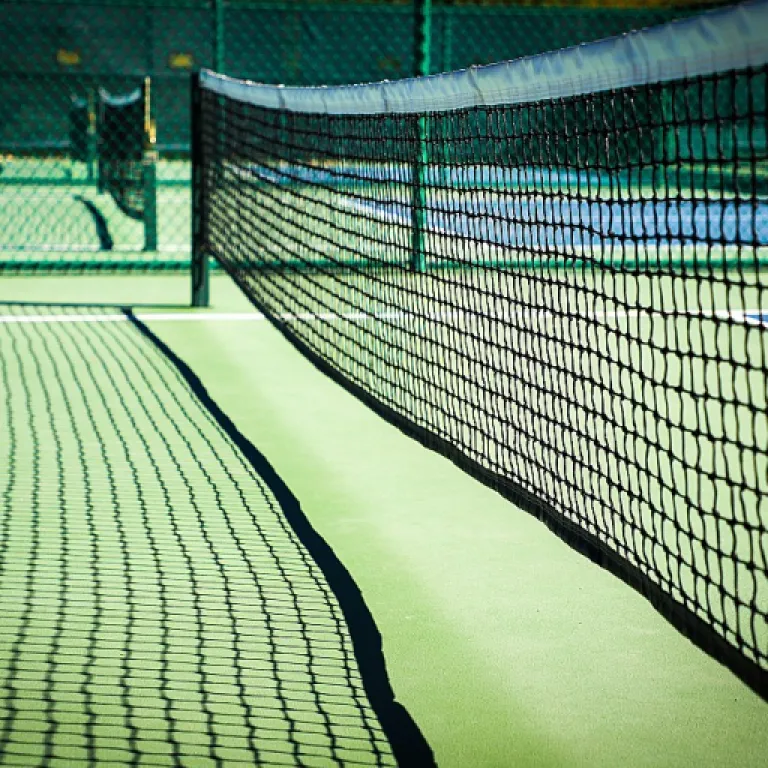
Urban sport oasis at discovery park tennis and pickleball courts
In Seattle, the area known as discovery park tennis and pickleball courts has become a quiet urban sport oasis for players of all ages. The park sits near the Magnolia neighborhood, where a mix of trees, open playfield space, and a family friendly playground creates a relaxed atmosphere for racket sports enthusiasts. Around the main park tennis zone, visitors find a blend of outdoor courts, walking paths, and views that make casual practice feel almost like a retreat.
The tennis courts and pickleball courts here are laid out on durable concrete, which offers consistent ball bounce and reliable footing for both beginners and advanced players. Each court is framed by a sturdy net and clear lines, allowing people to switch between tennis, pickleball, and even hybrid pickleball tennis sessions when the schedule permits. Because the park belongs to the broader Seattle parks recreation network, maintenance standards remain relatively high, and the surfaces are checked regularly for cracks or standing water.
Many residents appreciate that the surrounding parks, including nearby park woodland and the green lake and bitter lake areas, create a connected circuit of outdoor courts across the city. Players who start at discovery park tennis and pickleball courts often travel to another tennis center or community center to compare different tennis court layouts and lighting conditions. This informal circuit helps the community share tips about street parking, the best outdoor tennis times, and which playfield tennis locations feel most welcoming for newcomers.
How surface, layout, and weather shape pickleball performance
The concrete surface at discovery park tennis and pickleball courts plays a decisive role in how rallies unfold. On a dry day, the outdoor courts feel fast and predictable, which rewards players who use compact swings and quick footwork. When Seattle drizzle appears, however, the same concrete can become slick, so many athletes shift to an indoor tennis center or community center until conditions improve.
Because the park sits within the broader Seattle parks recreation system, its layout reflects lessons learned from other facilities such as rainier beach playfield and park woodland. Courts are spaced to reduce stray balls, and the playground and playfield are positioned so families can watch tennis or pickleball while children enjoy the playground tennis area. This thoughtful design encourages multi generational visits, where grandparents rally on a tennis court while younger relatives experiment with pickleball courts nearby.
Weather also shapes demand for free outdoor tennis and pickleball time, especially during shoulder seasons. Players who cannot secure indoor slots at a tennis center often check the seattle gov listings for updated park tennis schedules and any temporary closures. For those seeking structured improvement, detailed guidance on unlocking the potential of pickleball lessons can help them use every dry hour at discovery park tennis and pickleball courts more effectively.
Community dynamics around shared tennis and pickleball spaces
Shared use of discovery park tennis and pickleball courts has reshaped how the local community interacts around sport. Tennis players, pickleball enthusiasts, and families using the playground or playfield now negotiate time and space in ways that reflect broader changes across Seattle parks. The presence of both tennis courts and pickleball courts on the same concrete footprint requires clear etiquette, patient communication, and sometimes creative scheduling.
Many regulars coordinate through neighborhood groups linked to Magnolia and nearby green lake and bitter lake communities, where they discuss preferred hours, street parking tips, and the best routes from ave seattle transit stops. Some players split sessions, starting with pickleball tennis drills before transitioning to a full tennis court match under the lights when evening arrives. Others use the free outdoor courts at rainier beach or park woodland earlier in the day, then finish with a cool down rally at discovery park tennis and pickleball courts.
Because the park belongs to the seattle gov network, official signage explains how to rotate on and off outdoor courts fairly. Players who want to deepen their skills while respecting this rotation often study how to get the most out of a pickleball lesson before arriving. This preparation helps them use each minute on the net efficiently, whether they are at a community center, a dedicated tennis center, or the more relaxed park tennis setting near Magnolia.
Balancing accessibility, cost, and equity in Seattle parks
Accessibility remains a central issue at discovery park tennis and pickleball courts, as demand for free outdoor courts continues to rise. Because the park is part of the Seattle parks recreation portfolio, policy decisions about maintenance, scheduling, and lighting affect a wide cross section of residents. People from rainier beach, green lake, bitter lake, and other neighborhoods often travel here when their local park tennis options feel overcrowded.
Street parking and the small parking lot near the center of the park can become congested during peak hours. Families combining a playground visit with a tennis court session sometimes arrive early to secure a space, while others rely on buses along ave seattle to reduce traffic. These patterns highlight how transportation planning intersects with sports access, especially for those who cannot easily reach an indoor tennis center or community center elsewhere in the city.
Equity also appears in decisions about where to add new pickleball courts or outdoor tennis lines within the seattle gov system. Some advocates argue that rainier beach and other underserved areas should receive additional playfield tennis investments before already popular parks. Others emphasize that discovery park tennis and pickleball courts serve as a regional hub, where people from multiple districts meet, share coaching tips, and build informal mentoring networks that extend beyond any single neighborhood.
Technical nuances of playing on multi use park courts
Playing on multi use concrete at discovery park tennis and pickleball courts demands subtle technical adjustments from athletes. Tennis players must adapt their footwork when pickleball lines intersect the main tennis court markings, especially near the net and service boxes. Pickleball enthusiasts, meanwhile, learn to track the ball carefully against a background designed originally for outdoor tennis rather than smaller pickleball courts.
Because the park sits near Magnolia and other residential zones, many players treat it as a training ground before entering formal leagues at a tennis center or indoor community center. They practice serves, volleys, and dinks under varying wind conditions, using the free outdoor courts to simulate match pressure without financial strain. When the lights switch on during evening sessions, the atmosphere shifts, and the park tennis area feels closer to a professional venue than a casual neighborhood park.
Players who want to compare different municipal layouts often consult a broader local guide to public pickleball courts in other cities. By contrasting discovery park tennis and pickleball courts with facilities near green lake, bitter lake, and rainier beach, they refine their understanding of how net height, fence placement, and lighting angles influence performance. This analytical approach helps them move confidently between outdoor courts, indoor arenas, and hybrid spaces across the Seattle parks recreation network.
Future directions for discovery park tennis and pickleball courts
Looking ahead, the evolution of discovery park tennis and pickleball courts will likely mirror broader shifts in urban recreation. As more residents take up pickleball tennis and traditional tennis, pressure on existing outdoor courts will intensify, especially during dry weekends. City planners within seattle gov and the wider parks recreation department must weigh whether to expand park tennis capacity, add new pickleball courts, or enhance nearby facilities at rainier beach and park woodland.
Community feedback from Magnolia, green lake, and bitter lake suggests strong support for preserving free access while improving amenities. Some proposals include modest upgrades to the parking lot, clearer signage for street parking, and better wayfinding between the playground, playfield, and main tennis court cluster. Others advocate for additional lights and partial weather shelters, which could extend safe playing hours without fully converting the site into an indoor tennis center or closed community center.
Whatever choices emerge, discovery park tennis and pickleball courts will remain a focal point for how Seattle balances nature, sport, and public space. The surrounding parks, including the wooded edges that resemble a small park woodland, give players a sense of escape even as they compete intensely at the net. In this way, the courts function as both a neighborhood gathering place and a living laboratory for future park tennis and pickleball design across the city.
Key statistics about pickleball and urban racket sports
- Participation in pickleball has grown rapidly across major urban centers, with municipal parks reporting double digit annual increases in court usage.
- Surveys from large city parks departments show that more than half of new racket sport participants choose free outdoor courts rather than private clubs.
- In multi use facilities that combine tennis courts and pickleball courts, average daily occupancy rates often exceed 70 percent during peak seasons.
- Studies on surface performance indicate that well maintained concrete courts can remain playable for more than a decade with regular resurfacing cycles.
- Accessibility audits reveal that adding lights can extend effective court availability by up to four additional hours per day in temperate climates.
Questions people also ask about discovery park tennis and pickleball courts
How busy do discovery park tennis and pickleball courts get on weekends ?
On dry weekends, discovery park tennis and pickleball courts can become very busy, especially during late mornings and early evenings. Players from Magnolia, rainier beach, green lake, and bitter lake often converge on the same outdoor courts, which increases wait times. Arriving early, sharing courts, and rotating sets help the community manage demand fairly.
Are the courts at discovery park free to use ?
The outdoor courts at discovery park tennis and pickleball courts are generally free to use as part of the Seattle parks recreation system. Users should still check seattle gov listings for any special events or temporary reservations. Bringing your own balls and checking the net height before play ensures a smooth session.
Is there lighting for evening play at discovery park tennis and pickleball courts ?
Several tennis courts at discovery park have lights that extend playing hours into the evening. These lights make the park tennis area feel safer and more accessible for people who work during the day. Players should be mindful of nearby homes in Magnolia and keep noise levels reasonable after dark.
What amenities are near the courts at discovery park ?
Near discovery park tennis and pickleball courts, visitors find a playground, open playfield, walking paths, and restroom facilities. A small parking lot and surrounding street parking provide access, though spaces can fill quickly. The mix of park woodland and open lawns creates a pleasant setting for families and spectators.
How do discovery park courts compare with other Seattle facilities ?
Compared with more formal venues like an indoor tennis center or large community center, discovery park tennis and pickleball courts feel more relaxed and scenic. The concrete outdoor courts offer solid performance, though they depend heavily on weather conditions. Many players alternate between this park, rainier beach playfield, and other neighborhood parks to balance atmosphere, availability, and travel time.