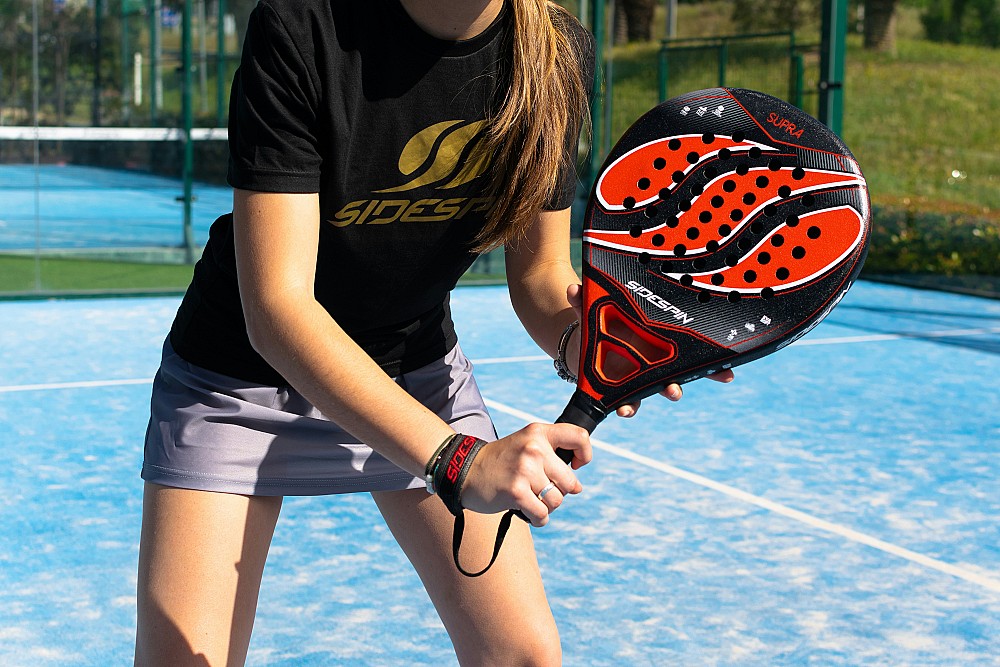
How santa clara pickleball courts are reshaping local racket sports
Santa Clara has quietly built a dense network of pickleball courts that now anchors the city’s racket sport culture. Around every public park and long established tennis club, players are carving out space for at least one shared pickleball court that stays busy from early morning to late evening. This shift has turned many traditional tennis courts into flexible venues where tennis pickleball coexist and attract new residents to play regularly.
Local players say the appeal lies in how accessible the sport feels on every santa clara pickleball court. The courts santa scene welcomes complete beginners, former tennis competitors, and casual basketball fans who wander over from the next court to try a new game. Because many santa clara parks already had tennis courts and lights, the city could stripe clara courts for pickleball quickly and keep them open to the public without major construction.
In this compact valley, pickleball players can move easily between a neighborhood park court and a more structured club environment. Some residents start with free play at a public pickleball court, then later join a private tennis facility that now offers clara pickleball programs. This layered ecosystem means santa clara pickleball courts serve as both an entry point and a long term home for people who want to play several times each week.
The regional context also matters because santa clara sits between san jose, mountain view, and los altos. Players often compare courts san options across these cities, weighing park amenities, lights, and event calendars. As a result, the santa clara pickleball courts compete directly with san jose and valley pickleball venues, which pushes each community to improve court surfaces, nets, and scheduling systems.
Public parks, shared spaces, and the rise of community play
Public parks remain the backbone of santa clara pickleball courts, offering free access and a relaxed atmosphere. At many sites, a single tennis court has been restriped into multiple courts pickleball, allowing more players to rotate through games. This design lets tennis and pickleball share the same footprint while keeping enough space for safe play and clear lines of sight.
Families often arrive for basketball or a picnic in the park, then drift toward the sound of paddles on a nearby pickleball court. Because the courts santa are open and visible, curious visitors can view matches from the sidelines before joining a game. This casual exposure has helped find pickleball a broader audience than traditional private tennis programs usually reach.
Evening play has expanded rapidly wherever parks offer reliable lights over both tennis courts and pickleball courts. In santa clara, players appreciate that many public facilities stay open late, which suits tech workers commuting from san jose or mountain view. When lights are well maintained, a single park court can host informal league nights, social mixers, and a weekly event that draws players from across the valley.
Nearby cities reinforce this pattern, as san jose and los altos also invest in public pickleball spaces. Residents sometimes treat the entire valley pickleball map as one extended network of courts san, choosing a park based on traffic, weather, or who is scheduled to play. Articles about other destinations, such as this overview of surfside style community pickleball, show how coastal cities use similar public models to build loyal groups of players.
From tennis lessons to structured pickleball coaching
The coaching landscape around santa clara pickleball courts has evolved from a tennis first mindset into a more balanced model. Many instructors who once focused solely on tennis lessons now split their schedules between private tennis sessions and group pickleball lessons santa programs. This shift reflects demand from pickleball players who want structured guidance rather than only casual open play.
At several clubs, a single tennis court may host junior tennis lessons in the afternoon, then convert into multiple clara pickleball courts for adult clinics in the evening. Coaches emphasize that tennis pickleball skills overlap, especially in footwork, court positioning, and reading an opponent’s shot. Players who grew up on clara tennis courts often adapt quickly, yet still benefit from targeted pickleball court strategy sessions.
Public facilities also support instruction, as some parks reserve a block of time on specific courts santa for beginner lessons. This approach keeps the rest of the courts open for drop in play while giving new players a clear path into the sport. Over time, graduates of these lessons santa programs often join a club or form their own event nights, further enriching the santa clara pickleball courts ecosystem.
Regional travel for coaching is common, with players driving from san jose, los altos, or mountain view to attend a highly rated clinic. Guides to elite training environments, such as this strategic look at premier pickleball clubs, influence how local instructors design their own programs. As private tennis facilities see sustained demand for pickleball lessons, they increasingly market clara courts as multi sport hubs rather than single purpose tennis courts.
Balancing demand, scheduling, and fair access to courts
One of the deepest challenges facing santa clara pickleball courts is how to allocate limited space fairly. Peak hours often see long wait lists at every popular pickleball court, especially when only a single tennis court has been converted. Players debate whether first come systems, online reservations, or organized ladders best serve both casual visitors and serious competitors.
Some parks in santa clara and san jose now experiment with hybrid models that mix open play blocks and pre booked event slots. During open windows, any group of pickleball players can rotate through games on multiple courts pickleball, while scheduled times support leagues or coaching. This structure tries to respect the public nature of the facilities while acknowledging that organized programs need predictable access.
Clubs face similar pressures as they juggle private tennis members, tennis lessons, and growing clara pickleball demand. A single club may have to decide whether to resurface a court for permanent pickleball lines or keep it as a flexible tennis pickleball space. When decisions are transparent and data driven, players are more likely to accept trade offs between tennis courts and pickleball courts.
Regional coordination could ease tensions, since the valley pickleball community spans santa clara, san jose, mountain view, and los altos. If cities share information about court usage, lights maintenance, and public satisfaction, they can plan new courts san investments more effectively. Thoughtful scheduling and clear communication help ensure that every santa clara pickleball court remains welcoming rather than overcrowded, preserving the sport’s inclusive reputation.
Design, amenities, and the player experience on santa clara courts
The physical design of santa clara pickleball courts strongly shapes how players experience each session. Well maintained surfaces, clear lines, and sturdy nets on every pickleball court reduce injuries and keep rallies consistent. When a former tennis court is converted, careful measurement ensures that multiple courts pickleball fit without cramped corners or awkward fencing.
Amenities around the courts matter almost as much as the playing surface itself. Players value benches, shade, and water fountains, especially at a busy public park where families also use nearby basketball and playground areas. Reliable lights extend the usable hours of both tennis courts and pickleball courts, allowing workers from san jose or mountain view to play after dark.
Some private tennis clubs in santa clara now market their clara courts as social hubs rather than purely performance venues. They host a weekly event that mixes tennis pickleball exhibitions, beginner clinics, and casual round robins for pickleball players. These gatherings encourage people who usually only view the action from the sidelines to pick up a paddle and play.
Design thinking extends beyond California, as shown by this case study on how a dedicated center is shaping the future of play in another city. Lessons from such facilities influence how santa clara and san jose plan future courts san projects, including seating, lighting, and noise management. As valley pickleball participation grows, these design choices will determine whether each santa clara pickleball court feels crowded or comfortably vibrant.
Regional context, travel patterns, and future growth of play
Santa clara pickleball courts do not exist in isolation but form part of a wider regional network. Many players commute daily between santa clara and san jose, choosing where to play based on traffic, friends, and court availability. This fluid movement means that improvements to any single pickleball court can influence participation patterns across the entire valley.
Mountain view and los altos contribute additional courts pickleball, giving residents more options for both casual and competitive play. Some athletes maintain memberships at a private tennis club in one city while relying on a public park court in another. This mix of private tennis access and open public facilities helps sustain growth even when one area faces temporary court shortages.
Local planners increasingly view tennis courts and pickleball courts as shared regional assets rather than isolated amenities. When santa clara upgrades lights or resurfacing on clara courts, players from san jose or beyond quickly take notice. Similarly, a new event series in one city can attract valley pickleball enthusiasts who are willing to travel for high quality matches.
Looking ahead, the main challenge will be balancing tennis, pickleball, and other park uses such as basketball within finite urban land. Transparent planning, community surveys, and data on how many players actually use each court will guide decisions about future courts san investments. If cities coordinate effectively, the santa clara pickleball courts and their neighbors can continue to offer accessible, well run spaces where people of all ages learn, compete, and simply enjoy the game.
How to find pickleball opportunities and build lasting community
For newcomers, the variety of santa clara pickleball courts can feel overwhelming at first. A practical approach is to start with a nearby public park court, then gradually explore clubs and neighboring cities. By sampling different courts santa, players can decide whether they prefer structured leagues, casual drop in games, or focused lessons santa sessions.
Online tools and local notice boards help residents find pickleball groups that match their schedule and skill level. Many parks post weekly calendars showing when a pickleball court is reserved for coaching, open play, or a special event. Clubs often advertise combined tennis lessons and clara pickleball clinics, encouraging families to keep both sports in their routine.
Social dynamics matter as much as facilities, because lasting engagement depends on feeling welcomed at every santa clara pickleball court. Experienced pickleball players who greet newcomers, explain basic etiquette, and rotate partners create an inclusive atmosphere. Over time, these habits turn a simple tennis pickleball complex or small park into a trusted community hub.
Regional travel further strengthens ties, as groups from santa clara visit san jose, mountain view, or los altos for friendly matches. When players view the entire valley pickleball scene as a shared resource, they support investments in new courts san and better lights. In this way, each tennis court, pickleball court, and multi use park contributes to a resilient network of clara courts where people can play, learn, and connect.
Key statistics about pickleball participation and facilities
- Global pickleball participation has grown by double digit percentages in recent seasons, with urban regions reporting the fastest increases.
- In many metropolitan areas, more than half of new racket sport participants now choose pickleball over traditional tennis.
- Shared use conversions, where one tennis court becomes multiple pickleball courts, account for a significant share of new facilities.
- Evening play under lights represents a large portion of total court usage in dense city neighborhoods.
- Public parks host the majority of beginner sessions, while clubs capture a growing share of advanced coaching demand.
Common questions about santa clara pickleball courts
How busy are santa clara pickleball courts during peak hours ?
Peak hours, especially weekday evenings and weekend mornings, can be very busy at most santa clara pickleball courts. Players often encounter short wait times, particularly at popular public parks where multiple courts pickleball share space with tennis. Arriving early, organizing group rotations, or using online reservation systems where available can significantly reduce delays.
Can tennis players transition easily to pickleball on shared courts ?
Tennis players usually adapt quickly to pickleball on shared tennis pickleball courts because many movement patterns and strokes feel familiar. The smaller pickleball court rewards control, touch, and net play, which experienced tennis athletes already understand. Focused lessons santa or beginner clinics at local clubs help refine paddle technique and strategy for the new format.
Are public parks or private clubs better for beginners ?
Public parks in santa clara, san jose, mountain view, and los altos offer low pressure environments where beginners can watch and join games. Private tennis clubs provide more structured coaching, including combined tennis lessons and clara pickleball clinics. Many newcomers start at a public park court, then later add club sessions for deeper instruction.
What amenities should players look for when choosing a court ?
Key amenities include well maintained surfaces, clear lines, quality nets, and reliable lights for evening play. Benches, shade, and nearby water fountains improve comfort, especially at busy park complexes that also host basketball and playground areas. Players who plan regular sessions may also value posted schedules, event calendars, and easy parking around the courts santa.
How can communities balance tennis and pickleball demand on limited courts ?
Communities can balance demand by mixing open play windows, reserved event slots, and dedicated times for tennis or pickleball. Transparent scheduling on shared tennis courts and pickleball courts helps reduce conflicts and sets clear expectations. Collecting data on actual usage across santa clara, san jose, and the wider valley pickleball network guides smart investment in future courts san projects.