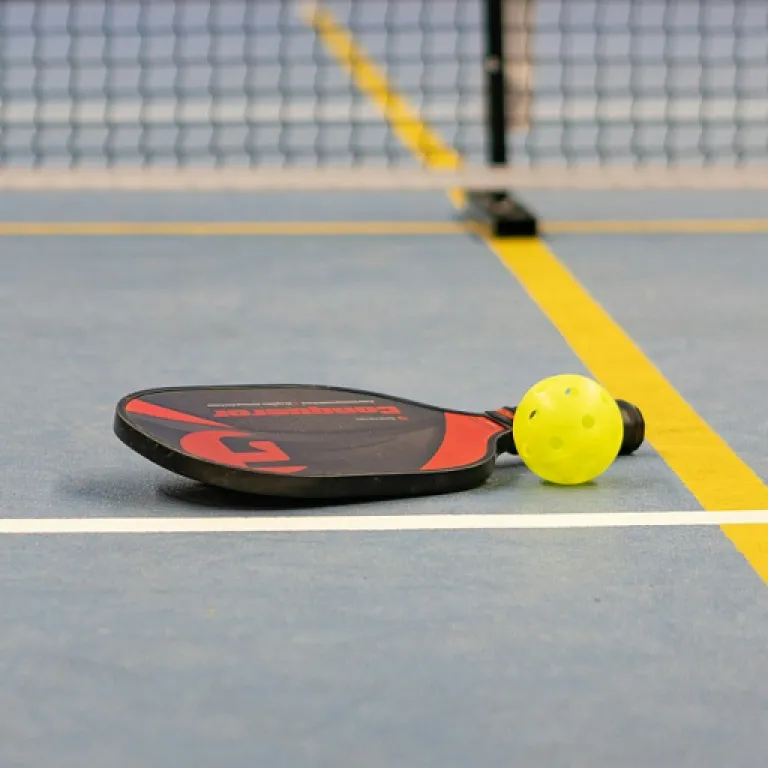
Why each rally in pickleball begins with a serve that frames the contest
In pickleball, each rally in picklball begins with a carefully placed serve that immediately defines rhythm and intent. The serving team controls the first tempo of the rally, yet the receiving team often holds a strategic advantage because it will usually hit the third shot. Every player on the court must understand that the serve is not a weapon for aces but a controlled start that keeps the ball in play and sets up the next point.
Because each rally in picklball begins with a serve, the server stands behind the baseline on the correct side of the court and strikes the ball diagonally into the opposite service box. Rally scoring is not universal in every pickleball game, so players must check local rules before they play pickleball in competition or recreation. Traditional pickleball scoring awards a point only when the serving team wins the rally, which means a point scored depends on both accuracy and patience.
The team score determines from which side court the server will serve, alternating between the right side and left side as team points accumulate. When the team serves and then loses rally, the serve passes to the second server or to the opposing team, depending on whether both players have already served. Because each rally in picklball begins with a serve, every player quickly learns that disciplined serving, clear communication about the score, and respect for rules are the foundations of a fair game.
How serving, scoring, and rotation interact on every side of the court
Every pickleball game follows a structured serving order, and each rally in picklball begins with a server who must call the full score before striking the ball. The three-part call usually includes the serving team score, the receiving team score, and whether the first or second server is serving, which reinforces transparency for all players. When the team will serve from the right side, the server’s score is always even, while an odd score places the server on the left side of the court.
Because each rally in picklball begins with a serve, the serving team must respect the double bounce rule before attacking the net. The receiving team must let the serve bounce once, and then the serving team must also allow the return to bounce before volleying, which keeps early points controlled and reduces reckless hits. If the serving team loses rally before scoring pickleball points, the serve either moves to the second server or passes to the opposing team, depending on the stage of the game.
In doubles, team serves follow a predictable pattern that helps players anticipate rotation and maintain correct positions on each side court. When a team loses the rally on the second server, that team loses the right to serve and the opposing team will serve next, starting from its right side. Because each rally in picklball begins with a serve, disciplined rotation, clear understanding of pickleball scoring, and consistent communication about team score and point scored are essential for avoiding disputes.
Why each rally in picklball begins with a serve that shapes strategy
Strategically, each rally in picklball begins with a serve that is deep, safe, and targeted to limit the receiving team’s options. A smart server aims near the back of the court to push the player away from the non volley zone, buying time for the serving team to advance. When players understand that the serve is a setup rather than a finishing shot, they manage risk better and protect their chance to win the point.
Because each rally in picklball begins with a serve, the serving team can choose whether to test the weaker player or probe the stronger player’s backhand. Over several games, patterns emerge in how players respond to serves, and attentive teams adjust their serving patterns to exploit those tendencies. Rally scoring formats, when used, make every rally count toward the final score, so both serving and receiving teams must value each point more carefully.
When a team wins a long rally after a deep serve and disciplined third shot, the psychological impact can be as important as the single point scored. Conversely, when the team loses a rally on an unforced serving error, momentum can swing quickly toward the opposing team and affect later team points. Because each rally in picklball begins with a serve, coaches often train players to repeat pre serve routines that stabilize focus, reinforce rules awareness, and keep the game mentally balanced.
Serving roles, second server pressure, and the path to a team win
In doubles pickleball, each rally in picklball begins with a designated server whose role carries both responsibility and opportunity. The first server of a new pickleball game usually starts on the right side, and only one partner serves before the serve passes to the opposing team, which slightly balances early scoring. After that opening sequence, both players on each team will serve in turn, and the second server often faces added pressure because a mistake means the team loses the serve.
Because each rally in picklball begins with a serve, partnerships must decide which player serves first based on consistency, not power. A reliable server helps the serving team accumulate team points steadily, while a volatile server can give the receiving team frequent chances to attack. When the second server steps to the left side or right side court, clear communication about the current team score and planned serve target reduces confusion.
In tight games, a single point scored on a brave second server attempt can shift momentum and help a team wins a crucial rally. However, if the team loses rally repeatedly on second server attempts, opponents quickly sense weakness and press harder on returns. Because each rally in picklball begins with a serve, teams that manage serving roles intelligently, rotate smoothly, and respect pickleball scoring conventions usually position themselves to win more games over time.
How court positioning, side selection, and modern performance trends influence rallies
Every time each rally in picklball begins with a serve, court positioning before and after contact influences how the rally unfolds. The server and partner typically start near the baseline, then move forward after the return, while the receiving team often tries to reach the non volley zone first. Choosing which side of the court each player prefers, whether left side or right side, depends on forehand strength, mobility, and comfort under pressure.
Because each rally in picklball begins with a serve, environmental factors such as wind, sun, and surface texture can subtly affect serving choices. On outdoor courts, players may prefer to serve softer into the wind and flatter with the wind, always prioritizing a legal, in bounds serve over risky power. Competitive players who follow performance trends, including those highlighted in analyses of how high performance pickleball is reshaping products and play, increasingly track serve placement and rally outcomes as part of their tactical preparation.
Because each rally in picklball begins with a serve, data driven coaches now evaluate how often a serving team wins the rally compared with the receiving team under different conditions. They examine whether a team will serve more effectively from one side court, or whether particular players generate more team points when serving from the left side. Over time, these observations help refine strategies so that when the team serves in critical moments, every player understands where to stand, which target to choose, and how to convert a strong serve into a team win.
Learning to play pickleball with clear rules for serving and scoring
For newcomers, understanding that each rally in picklball begins with a serve is the first step toward confident participation. Before they play pickleball in organized games, beginners should learn how to call the score correctly, where to stand on the court, and how rally scoring differs from traditional pickleball scoring. Many local clubs emphasize that a point scored is less important than safe movement, respect for rules, and enjoyment of the game.
Because each rally in picklball begins with a serve, coaches often start lessons by drilling legal serves from both the right side and left side. Players practice alternating serves to different areas of the side court, focusing on height, depth, and spin while maintaining control. As they progress, players learn how the serving team and receiving team interact, what happens when the team loses the rally, and how the opposing team will serve next.
When players internalize that each rally in picklball begins with a serve, they become more attentive to details such as foot faults, correct server rotation, and accurate tracking of team score and team points. This awareness reduces disputes, keeps games flowing smoothly, and supports a culture of fairness that benefits all players. Over time, consistent application of these principles helps every team wins more rallies through discipline rather than chance, reinforcing why serving and scoring remain central to the identity of pickleball.
Key statistics about serving, rallies, and pickleball participation
- In structured club play, internal tracking often shows that the receiving team wins a slight majority of rallies, despite the fact that each rally in picklball begins with a serve.
- Coaches report that beginner players can reduce unforced serving errors by more than half after focused practice sessions that emphasize consistent contact and proper foot placement.
- Recreational leagues frequently observe that teams with lower raw power but higher serve accuracy achieve better overall game win rates across multiple games.
- Performance programs that log serve direction, depth, and rally outcome provide players with actionable feedback that correlates strongly with improvements in team points per game.
Common questions about how each rally in pickleball begins with a serve
Why does each rally in picklball begin with a serve instead of a drop ball
Each rally in picklball begins with a serve because the sport evolved from racket and paddle games that already used serving to start play. The serve creates a clear, repeatable procedure that defines which team is the serving team and which is the receiving team. This structure supports orderly rotation, transparent pickleball scoring, and fair opportunities for both sides to contest every point.
How does the serving order affect the score in a pickleball game
Serving order determines which player is the current server and from which side court that player will serve. In traditional scoring pickleball formats, only the serving team can earn a point scored, so losing the serve without scoring means the team loses a chance to add team points. Correctly tracking first and second server status helps ensure that when the opposing team will serve, the team score and positions remain accurate.
What happens when the serving team loses the rally on a fault
When the serving team loses rally because of a fault, such as a serve landing out or a volley taken before the required bounce, control of the serve changes. If the fault occurs on the first server, the second server takes over and will serve from the appropriate left side or right side based on the team score. If the fault occurs on the second server, the team loses the serve entirely and the opposing team becomes the new serving team.
Is rally scoring used in all pickleball games today
Rally scoring, where every rally produces a point for either team, is not yet universal in pickleball. Many organized events still use traditional pickleball scoring, where only the serving team can earn a point scored, and the receiving team must first gain the serve before accumulating team points. Players should always confirm which scoring pickleball format is in use before they play pickleball in leagues, tournaments, or informal games.
Why is serve consistency more important than power in pickleball
Because each rally in picklball begins with a serve, a missed serve immediately hands the initiative to the opposing team without any chance to contest the rally. Consistent serves keep the ball in play, allow the serving team to execute planned strategies, and reduce the number of free points conceded. Over the course of several games, teams that prioritize accuracy over raw power on serves usually generate more team wins and a higher overall score.