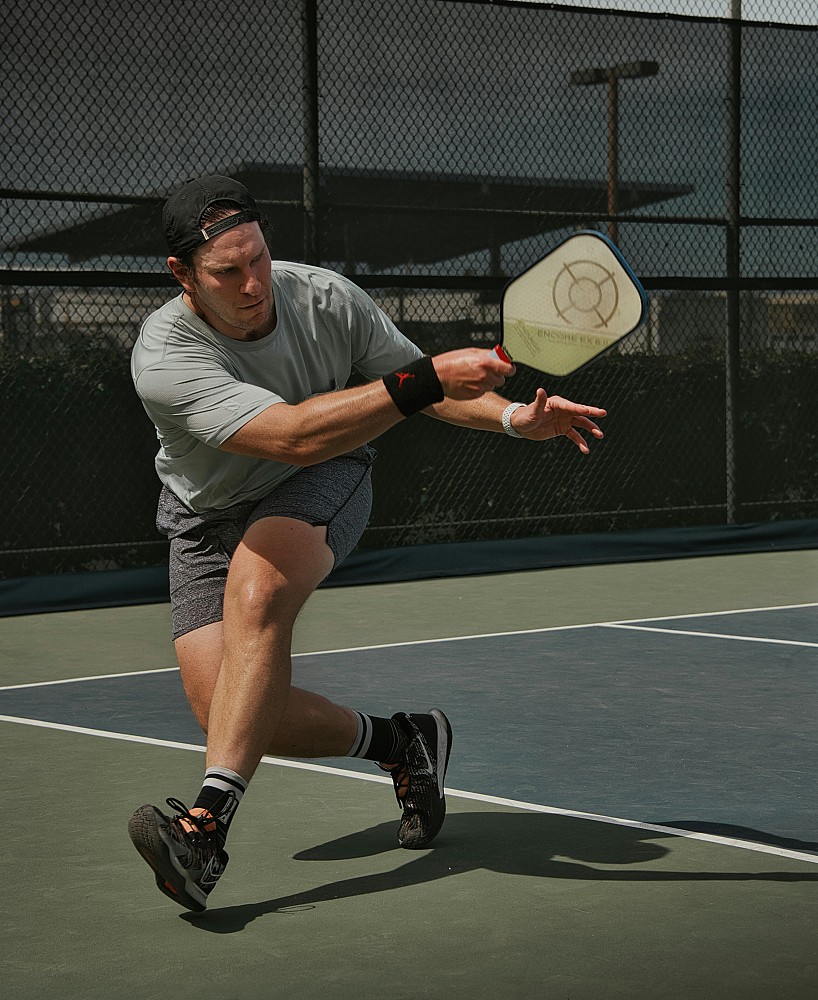
Avalon pickleball as a modern racquet experience
Avalon pickleball has emerged as a refined racquet experience within many country club environments. At a typical avalon country club, players move between tennis and pickleball courts, choosing the court that best matches their time, skills, and social goals. This blend of tennis pickleball culture creates a shared recreation space where beginners and advanced players can comfortably play together.
Most avalon facilities now feature both indoor and outdoor pickleball courts, giving members flexibility across seasons and weather. Indoor courts allow players to reserve a predictable time on monday or thursday evenings, while outdoor pickleball areas come alive on friday saturday when families and mixed doubles groups fill every dedicated court. The ability to book a court online and purchase equipment on site has made avalon pickleball more accessible to people who previously felt intimidated by traditional tennis clubs.
For many players, the appeal lies in how avalon pickleball compresses the strategy of tennis into a smaller court and shorter rallies. The sport rewards quick reactions, soft hands, and intelligent positioning rather than pure power, which encourages longer careers in racket based recreation. As avalon clubs expand their pickleball courts, they also add lessons clinics and structured play formats that help new players understand scoring, safety, and etiquette in a supportive environment.
Courts, formats, and scheduling across the avalon club
The layout of avalon pickleball courts strongly influences how people experience the sport. Some country club sites convert underused tennis courts into shared tennis pickleball spaces, while others invest in fully dedicated courts designed only for pickleball play. Dedicated courts usually provide clearer lines, safer spacing, and better lighting, which matters greatly during busy saturday sunday sessions.
Indoor avalon pickleball courts often host lessons clinics during off peak hours, leaving prime time for social play and mixed doubles events. On monday and thursday mornings, coaches may run small group sessions that focus on footwork and positioning, often referencing advanced pickleball footwork and positioning mastery concepts. By friday saturday evenings, the same indoor and outdoor pickleball spaces transform into lively club gatherings where players rotate through short games to keep the court schedule moving.
Because avalon facilities must balance tennis and pickleball demand, online tools to reserve a court have become essential. Members can book specific pickleball courts for a fixed time, coordinate mixed doubles pairings, and even purchase guest passes in advance. This structured approach helps the club manage noise, lighting, and parking while still promoting open recreation opportunities for casual players and more competitive groups.
How avalon players learn, improve, and stay engaged
Learning pathways at avalon pickleball facilities typically begin with introductory lessons clinics that explain rules, scoring, and basic safety. New players often start on slower indoor courts, where softer lighting and reduced wind allow them to focus on technique rather than chasing the ball. Coaches at the country club level emphasize smooth movement, compact swings, and respectful communication so that recreation remains enjoyable for everyone on the court.
As confidence grows, players transition from simple cooperative drills into structured play formats such as round robins and mixed doubles ladders. These formats let avalon members test their skills against varied opponents while still rotating partners, which keeps social dynamics fresh across monday, thursday, and saturday sunday sessions. Many clubs also schedule themed pickleball nights on friday saturday, using music, food, and friendly competition to keep players returning to both indoor and outdoor pickleball courts.
To maintain engagement, avalon pickleball programs frequently combine tennis pickleball cross training, encouraging athletes to move between sports during the same season. Players might reserve a tennis court for early morning practice, then book a pickleball court later that time for touch based drills and strategy work. Over months of regular play, this variety reduces overuse injuries, supports long term fitness, and strengthens the sense of community that defines a successful avalon country club.
Strategy, positioning, and the role of dedicated courts
Strategic depth is one of the main reasons avalon pickleball attracts both former tennis competitors and new recreational players. On a compact court, shot selection, patience, and positioning matter more than raw power, especially during extended kitchen exchanges in mixed doubles. Many avalon clubs now recommend that players study structured resources such as the 219 pickleball strategy framework to better understand when to attack or reset a rally.
Dedicated courts significantly enhance this strategic learning because lines are clearer and spacing between courts reduces distractions. When players reserve a dedicated pickleball court on monday or thursday, they can focus on specific patterns, such as third shot drops or coordinated poaches in mixed doubles. During busier friday saturday and saturday sunday blocks, these same courts host competitive ladders where players test strategy under pressure while still maintaining a friendly country club atmosphere.
Indoor and outdoor pickleball environments each shape tactics differently at avalon facilities. Indoor courts offer consistent bounce and lighting, which helps players refine precise dinks and drives during lessons clinics. Outdoor pickleball courts introduce wind, sun, and temperature changes, forcing players to adjust spin, depth, and positioning, which deepens their understanding of the sport and keeps long term recreation engaging.
Scheduling, reservations, and managing shared recreation spaces
Because avalon pickleball shares space with tennis, thoughtful scheduling is essential to protect the experience for all players. Many country club managers divide the day into blocks, assigning some time to tennis courts and other blocks to pickleball courts, especially on high demand days like friday saturday. This approach allows members to reserve a court with confidence, knowing their chosen sport will have priority during that period.
Digital platforms now handle most avalon reservations, enabling players to book indoor or outdoor pickleball courts from home. Members can select specific time slots on monday, thursday, or saturday sunday, indicate whether they plan singles or mixed doubles, and even purchase guest access or ball machine time. Clear rules about noise, lighting, and footwear help maintain harmony between tennis and pickleball communities, particularly when courts sit close together.
Clubs also use scheduling to support instruction and development through targeted lessons clinics. Early morning or mid afternoon windows often host beginner sessions, leaving prime evening hours for open play and organized ladders. By aligning court allocation, reservation systems, and coaching programs, avalon facilities turn limited physical space into a flexible recreation network that serves casual players, competitive athletes, and families equally well.
Equipment, membership value, and the future of avalon pickleball
Equipment access plays a central role in how newcomers experience avalon pickleball at the country club. Many clubs allow players to purchase paddles, balls, and shoes on site, while also offering short term rentals for guests who simply want to play once on a reserved court. This reduces barriers to entry and encourages people who previously only watched tennis to step onto the pickleball courts themselves.
Membership value increasingly depends on how well avalon facilities integrate tennis pickleball programming with broader recreation services. A member might reserve an indoor court for a monday lesson, join outdoor pickleball mixed doubles on thursday, then participate in a social tournament across friday saturday and saturday sunday. When clubs coordinate these options with clear communication and fair booking rules, players feel that their time and purchase decisions are respected.
Looking ahead, avalon pickleball is likely to see more dedicated courts, expanded lessons clinics, and refined scheduling tools that balance tennis and pickleball demand. Indoor and outdoor pickleball spaces will continue to support year round play, while data from reservation systems helps managers understand peak time patterns and adjust programming. As long as clubs prioritize safety, sportsmanship, and transparent access to courts, avalon pickleball will remain a compelling racquet sport option for players of all ages.
Key statistics about pickleball participation and facilities
- Global participation in pickleball has grown rapidly across club and community settings, with many facilities reporting double digit annual increases in new players.
- Surveys of racquet sport venues indicate that a significant share of tennis courts are being lined or converted for pickleball use, especially in multi sport country club environments.
- Facility audits show that indoor pickleball courts now represent a growing proportion of total court inventory in regions with colder climates.
- Programming data from clubs highlights that mixed doubles formats account for a large percentage of organized pickleball events on friday saturday and saturday sunday.
- Reservation system analytics reveal that prime time demand for pickleball courts often rivals or exceeds traditional tennis bookings on weekday evenings.
Common questions about avalon pickleball
How does avalon pickleball differ from traditional tennis at a country club ?
Avalon pickleball uses a smaller court, lighter paddle, and slower ball than tennis, which reduces physical strain while preserving tactical depth. Rallies often emphasize placement and soft control rather than pure power, making the sport accessible to a wider age range. At many country club sites, pickleball courts also support more social formats, such as rotating mixed doubles, within the same time window.
Can beginners start on avalon pickleball courts without prior racquet sport experience ?
Beginners can comfortably start on avalon pickleball courts, especially when they join structured lessons clinics. Coaches typically introduce basic grip, footwork, and scoring in small groups, using slower drills on indoor courts to build confidence. Within a few sessions, most new players can safely participate in social play and reserve their own court time.
How do avalon clubs manage court reservations between tennis and pickleball ?
Avalon clubs usually rely on digital systems that allow members to reserve specific courts and time slots for either tennis or pickleball. Managers assign certain blocks to each sport, particularly on busy friday saturday and saturday sunday periods, to prevent conflicts. Clear policies about booking windows, cancellations, and guest access help ensure fair use of both indoor and outdoor facilities.
What types of pickleball formats are most popular at avalon facilities ?
Mixed doubles formats are especially popular because they encourage social interaction and balanced teams across skill levels. Many avalon programs also run round robins, ladders, and themed events that rotate partners, keeping play dynamic throughout the session. These formats work well on both dedicated courts and shared tennis pickleball spaces, provided scheduling is well organized.
Why are dedicated pickleball courts important for long term program growth ?
Dedicated pickleball courts offer clearer lines, safer spacing, and more consistent playing conditions than temporary overlays on tennis courts. This improves the quality of lessons clinics, reduces interference between adjacent games, and supports higher level competition. Over time, dedicated courts signal that the club views avalon pickleball as a core part of its recreation strategy rather than a short term experiment.