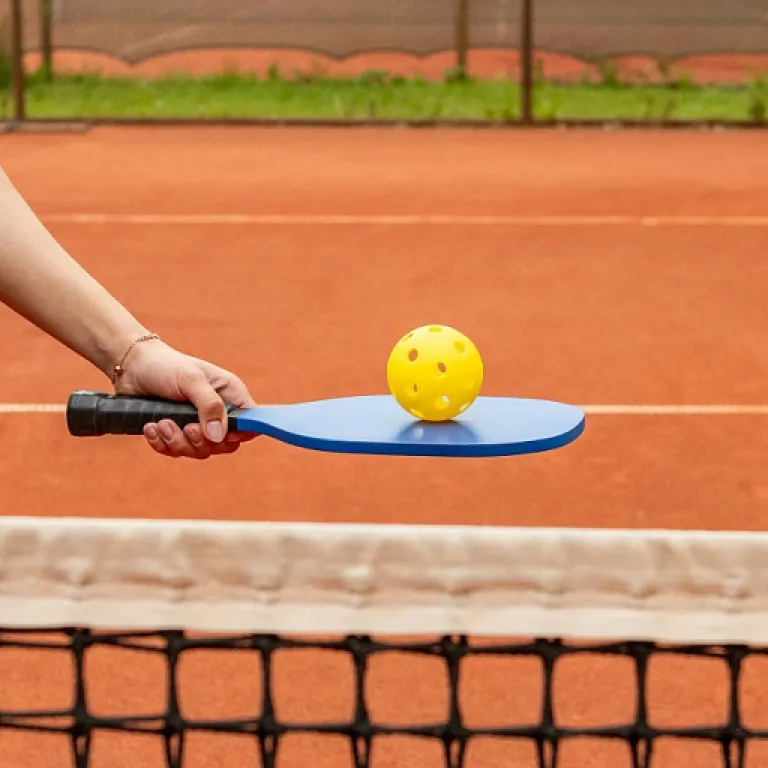
What does hitting the ball on the bounce mean in pickleball
What Happens When the Ball Bounces in Pickleball?
In pickleball, understanding what it means to hit the ball on the bounce is key for both beginners and experienced players. When we talk about hitting the ball on the bounce, it means waiting for the ball to touch the court surface before making contact with your paddle. This is different from a volley, where you hit the ball in the air before it bounces.
The bounce is a fundamental part of the game pickleball, shaping how points are played and how teams strategize. After a serve, both the server team and the receiving side must let the ball bounce once on their respective sides before they can volley. This is known as the double bounce rule, a unique rule in pickleball that sets it apart from other paddle sports.
- If you hit the ball before it bounces when you are required to let it bounce, it’s considered a fault. This means your team loses the rally, and the other side may score a point or gain the serve, depending on the situation.
- Letting the ball bounce can help you control the pace of the game and position yourself better, especially near the net or in the kitchen (the non-volley zone).
- Knowing when to hit the ball on the bounce and when to volley is a skill that develops with practice and understanding of the rules pickleball enforces.
Hitting the ball after it bounces is not just about following the rules; it’s also about using the court and your paddle in a way that maximizes your team’s chances to score points. The ball bounce can change the direction and speed of play, so being ready for the bounce side of the court is crucial.
If you’re interested in learning more about how these rules apply in singles play, check out this guide on understanding the essentials of 1v1 pickleball rules.
The double bounce rule explained
How the Double Bounce Rule Shapes the Start of Play
In pickleball, the double bounce rule is one of the most important rules to understand. This rule affects how both teams play right after the serve and sets the rhythm for the rest of the point. Here’s how it works:
- After the serve, the receiving team must let the ball bounce once on their side of the court before hitting it back.
- Then, the server team must also let the ball bounce once on their side before returning it.
- Only after these two bounces—one on each side—can players start to volley (hit the ball in the air without letting it bounce).
This rule is designed to prevent teams from rushing the net immediately and encourages longer rallies. If a player or team volleys the ball before it has bounced once on each side after the serve, it’s considered a fault. The team that commits the fault loses the point or the serve, depending on the situation.
To get a deeper understanding of how these rules play out in singles games, you can check out this guide on understanding the essentials of 1v1 pickleball rules.
Remember, the double bounce rule only applies at the start of each point. After the first two hits (one per side), players can choose to hit the ball on the bounce or in the air (a volley), as long as they follow other rules like staying out of the kitchen during a volley.
| Action | Is a Bounce Required? | Result if Rule is Broken |
|---|---|---|
| Serve | Yes, must bounce on receiver's side | Fault ball, server team loses serve |
| Return of Serve | Yes, must bounce on server's side | Fault ball, receiving team loses point |
| Subsequent Hits | No, volley or bounce allowed | Depends on other rules (e.g., kitchen, out of bounds) |
Understanding the double bounce rule helps every player avoid early faults and keeps the game pickleball fair and fun for everyone on the court.
When you must let the ball bounce
Key Moments When Letting the Ball Bounce Is Required
In pickleball, understanding when you must let the ball bounce is crucial for following the rules and avoiding a fault. The most important time this comes into play is during the serve and the return of serve. According to the double bounce rule, after the serve, the receiving team must let the ball bounce once before hitting it back. Then, the serving team must also let the ball bounce once before returning it. This ensures both teams have an equal opportunity to play the ball and keeps the game fair.
- Serve: The ball must bounce on the receiver’s side before it is hit.
- Return of Serve: The ball must bounce on the server’s side before it is hit again.
After these two required bounces, players can choose to hit the ball on the bounce or in the air (volley), except when standing in the non-volley zone, also known as the kitchen. Hitting the ball before it bounces during these first two shots is a fault, and the team loses the point or the serve. This rule is essential for maintaining the flow and fairness of the game pickleball.
It’s also important to note that if the ball bounces twice on one side before being hit, it is considered a fault ball, and the opposing team scores a point. Always pay attention to where you are on the court and the sequence of hits to avoid breaking this rule.
For those looking to enhance their game or surprise a fellow player, check out these unique and thoughtful pickleball gifts that any enthusiast would appreciate.
When you can hit the ball in the air (volley)
When Is a Volley Allowed in Pickleball?
In pickleball, a volley means hitting the ball in the air before it bounces on your side of the court. Understanding when you can legally volley is crucial to avoid a fault and keep your team in the game. After both the serve and the return of serve have bounced once on each side (the double bounce rule), players are allowed to hit the ball in the air. This means you can start volleying only after the ball has bounced on both sides at the start of each point. If you volley too soon, your team loses the point due to a fault. However, there are important restrictions:- You cannot volley the ball while standing inside the non-volley zone, also called the kitchen. If your paddle, hand, or even your momentum carries you into the kitchen after a volley, it’s a fault.
- The ball must not touch any part of your body except your paddle below the wrist. If the ball hits your hand or wrist, it’s not a legal hit and results in a fault ball.
- Always make sure the ball has cleared the net and is on your side before attempting a volley. Hitting the ball before it crosses the net is against the rules pickleball sets for fair play.
Common mistakes with hitting on the bounce
Frequent Errors When Playing the Bounce
In pickleball, understanding when and how to hit the ball on the bounce is essential for following the rules and maximizing your score. However, many players—especially beginners—make common mistakes related to the bounce rule and the double bounce rule. These errors can lead to faults, lost points, or missed opportunities for your team.
- Hitting a volley too soon: A typical mistake is striking the ball in the air (volley) before it has bounced once on each side after the serve. This breaks the double bounce rule and results in a fault, causing your team to lose the serve or a point.
- Confusing the kitchen rule: Some players hit the ball in the air while standing in the non-volley zone (the kitchen). Remember, any volley hit while touching the kitchen or its line is a fault, even if the ball bounces outside the zone.
- Misjudging the bounce: Players sometimes assume the ball will go out and let it bounce, only to see it land in. This gives the other team a point or the serve. Always watch the ball closely and be ready to hit if it looks like it will land in the court.
- Not letting the ball bounce on the serve: Returning the serve before the ball bounces is a direct violation of the rules pickleball sets for the serve and return. This is a common error among new players.
- Incorrect paddle use: Hitting the ball with anything other than the paddle or below the hand wrist is not legal. If the ball touches your hand or arm, it’s a fault ball.
How to Avoid These Faults
- Always let the serve and the return of serve bounce before hitting the ball.
- Stay aware of your position relative to the kitchen and avoid volleying in this zone.
- Communicate with your team to decide who will take balls that bounce near the center or sidelines.
- Practice reading the ball’s trajectory to judge whether it will land in or out.
By understanding these common mistakes and following the correct rules, you can keep the rally going, avoid unnecessary faults, and improve your chances to score points in your next game pickleball.
Tactics for using the bounce to your advantage
Smart Ways to Use the Bounce for Better Play
Using the bounce effectively in pickleball can give your team a real edge. The bounce rule is not just a regulation—it’s a chance to control the pace and direction of the game. Here are some practical tactics:- Control the tempo: Letting the ball bounce before you hit can slow down aggressive opponents. This is especially useful when you’re defending against hard hits near the net or in the volley zone.
- Force errors: By placing shots that land deep or close to the kitchen, you can make it tough for the other side to volley. When the ball bounces low or near the sideline, opponents are more likely to commit a fault or hit the ball out.
- Set up your next shot: After the serve, use the bounce to position yourself and your paddle for a stronger return. Waiting for the ball to bounce can help you read the spin and decide whether to go for a soft dink or a powerful drive.
- Work as a team: Communication is key. Decide who will take the ball after it bounces, especially on shots that land in the middle of your side of the court. This avoids confusion and missed hits, helping your team score points.
- Stay out of the kitchen: Remember, you can’t volley in the kitchen. Use the bounce to your advantage by letting the ball bounce before hitting it in this area. This keeps your play legal and avoids unnecessary faults.
| Situation | How to Use the Bounce |
|---|---|
| Receiving a deep serve | Let the ball bounce, then hit a controlled return to the opposite side court |
| Opponent at the net | Hit a soft shot that bounces in the kitchen, making volleying illegal |
| Fast rally | Use the bounce to reset and slow down the pace, reducing errors |