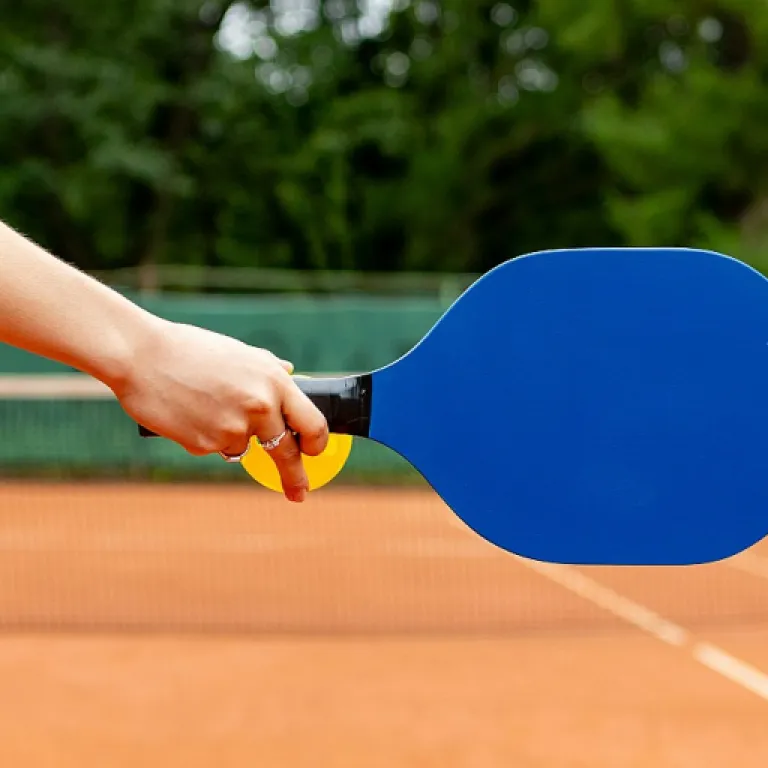
Understanding the latest rule updates
Key updates in the official pickleball rulebook
The world of pickleball is always evolving, and recent rule changes have brought new dynamics to the court. The official pickleball rulebook, as maintained by USA Pickleball, is updated annually to reflect the needs of players and the growth of the sport. Understanding these updates is essential for every player, whether you play singles or doubles, to avoid committing a fault or misunderstanding the rules during a rally. Some of the most notable changes this year affect how the serve is executed, the definition of a volley, and the boundaries of the volley zone. For example, the bounce rule—often called the double bounce rule—remains a core part of play, but clarifications have been made to ensure consistency in how the ball must bounce on each side before volleying. If you want a deeper dive into this aspect, check out this detailed guide on understanding the double bounce rule in pickleball.What players need to know about rule changes
- The serve: Adjustments to serving techniques and the server’s position are designed to make play fairer for both the serving team and the receiving team.
- The volley zone: The updated rules clarify what constitutes a fault when volleying the ball, especially when a player’s momentum carries them into the non-volley zone after a touch volley.
- Equipment: There are new guidelines for paddles and balls, ensuring all equipment meets official pickleball standards.
- Scoring: With the growing popularity of rally scoring, the rulebook now offers more guidance on when a point is scored and how rally scoring impacts the flow of the game.
Why these changes matter for your game
Rule changes can impact everything from how you prepare your paddle and ball to how you approach each rally. Staying up to date with the latest pickleball rules helps you avoid unnecessary faults, ensures fair play, and can even give you a competitive edge. Whether you are a casual player or part of a player team competing in official pickleball tournaments, knowing the rule changes is essential for smooth and enjoyable play. In the next sections, we will explore how these updates affect serving, doubles and singles strategies, and even the equipment you bring to the court.How rule changes affect serving techniques
Key Serving Adjustments Under the New Rule Changes
The latest pickleball rule changes have introduced several updates that directly affect how players serve and approach the start of each rally. Understanding these changes is crucial for anyone looking to avoid a fault and maintain a competitive edge in official pickleball matches. Here’s what you need to know about serving under the new rules:
- Serving Motion: The rulebook now clarifies the legal serving motion, especially regarding the position of the paddle and the ball at the moment the ball is struck. The server must ensure the paddle head is below the wrist and the ball is hit below waist level. This adjustment aims to standardize serves and reduce disputes on the court.
- Foot Placement: The server’s feet must remain behind the baseline until the ball is struck. Any contact with the court or baseline before serving is considered a fault. This rule change emphasizes the importance of balance and positioning for both singles and doubles play.
- Volley Serve vs. Drop Serve: The updated rules continue to allow both the volley serve and the drop serve. However, the drop serve now has more specific requirements about how the ball is released and struck, ensuring consistency across all levels of play.
- Serving Sequence and Scoring: With the growing adoption of rally scoring in some tournaments, the serving team must pay close attention to the correct sequence and player rotation. Incorrect server or receiver positions can result in a fault and loss of point scored.
Common Faults and How to Avoid Them
Rule changes often lead to confusion, especially when it comes to serving. Here are some common serving faults to watch for:
- Striking the ball above waist level or with the paddle above the wrist
- Stepping on or over the baseline before the ball is hit
- Improper release of the ball during a drop serve
- Serving out of turn or from the wrong side court
To stay compliant, players should review the official pickleball rulebook and practice their serving routine regularly. The USA Pickleball organization provides clear guidelines to help players and teams adjust to these changes.
Impact on Game Play and Strategy
These serving rule changes are designed to make the game pickleball fairer and more accessible. They also encourage players to refine their technique and focus on consistency. With stricter enforcement of the bounce rule and volley zone regulations, players must be mindful of their positioning and timing during both serving and volleying ball exchanges.
For those interested in how aggressive plays like spiking interact with the new rules, check out this detailed guide on is spiking allowed in pickleball.
As you adapt to these rule changes, remember that regular practice and staying updated with the latest pickleball rules will help you avoid faults and maximize your performance on the court.
Implications for doubles and singles play
Team Dynamics and Rule Adjustments
Recent pickleball rule changes have introduced new considerations for both doubles and singles play. Whether you are a solo player or part of a player team, understanding how these updates affect your game is crucial for staying competitive and compliant with the official pickleball rulebook.
- Serving Team Strategies: The serving team must now pay closer attention to the updated serve and rally scoring rules. For example, the bounce rule and the position of the server on the court are more strictly enforced. This means that both the server and their partner need to coordinate their movements and be aware of the side court boundaries to avoid a fault.
- Volley Zone Awareness: The volley zone (also known as the non-volley zone) continues to be a focal point in doubles play. Rule changes clarify when a player can enter this area and how a volleying ball should be played. Players must ensure that the ball is not struck in violation of the volleying rules, especially during fast-paced rallies.
- Singles Play Adjustments: Singles players need to adapt to changes in serving and scoring, as outlined in the latest pickleball rules. The updated rally scoring system, for example, can impact how points are scored and how quickly momentum can shift during a game pickleball match.
- Communication and Compliance: Both singles and doubles players should regularly review the usa pickleball rulebook to stay informed about the latest rule change. Consistent communication between doubles partners is essential to avoid confusion during ball play, especially with new rules affecting touch volley and volleying techniques.
Impact on Scoring and Faults
With the introduction of rally scoring and stricter enforcement of serving rules, every point scored now carries more weight. Players must be vigilant about avoiding faults, such as stepping into the volley zone during a volley or failing to comply with the bounce rule. These adjustments require a higher level of focus and teamwork, particularly in doubles matches where coordination is key.
For those interested in exploring innovative ways to enjoy pickleball, including after-dark play, check out this guide on glow pickleball. It’s a fun way to experience the sport while adapting to the latest pickleball rule changes.
Equipment adjustments and compliance
What to Check in Your Equipment After Rule Changes
Recent pickleball rule changes mean players need to pay closer attention to their equipment. The official pickleball rulebook, updated by USA Pickleball, now outlines more specific requirements for paddles, balls, and even what players can wear or carry on the court. Staying compliant is essential to avoid a fault or disqualification during play.- Paddle Compliance: The paddle you use must meet the latest standards for surface texture, size, and material. Some rule changes now restrict certain surface treatments that can affect spin or ball play. Always check if your paddle is approved by USA Pickleball before entering official games.
- Ball Selection: Only balls listed as official pickleball balls are allowed in sanctioned tournaments. The bounce rule and ball struck requirements mean the ball must meet specific bounce and hardness criteria. Using an unapproved ball can result in a fault or replay.
- Wearing and Carrying: New rules clarify what players can wear or carry on the court. Items that could distract or interfere with play, such as reflective clothing or unauthorized accessories, may now be restricted. Always review the rulebook before a match.
How Rule Changes Impact Your Game Setup
The latest pickleball rules also affect how you prepare for both singles and doubles play. For example, changes to the volley zone (also known as the non-volley zone) may influence your paddle choice or how you position yourself for a touch volley. The server and serving team must also ensure their equipment does not violate any new serving or volleying rules.| Equipment | Key Rule Changes | Impact on Play |
|---|---|---|
| Paddle | Surface texture, size, and material restrictions | May affect spin, control, and volleying ball |
| Ball | Official ball list, bounce rule, hardness | Ensures consistent rally and scoring |
| Apparel/Accessories | Limits on distracting or unsafe items | Prevents faults and maintains fair play |
Staying Updated with the Rulebook
To avoid unintentional faults or equipment violations, players and player teams should review the latest pickleball rulebook before each season. This is especially important if you play in tournaments or leagues governed by USA Pickleball. The rule changes can affect everything from how you serve to how you score points during a rally. Always check for updates to ensure your paddle, ball, and gear are compliant and ready for the next game of pickleball.Common questions about the new rules
Frequently Asked Questions About the New Pickleball Rules
- Do the new rules change how I serve?
Yes, several rule changes impact serving techniques. For example, the server must now ensure the ball is struck below the waist, and the paddle head must be below the wrist at contact. These adjustments help clarify what constitutes a legal serve and reduce disputes during play. - What happens if I touch the volley zone during a volley?
According to the updated pickleball rulebook, if any part of a player or their paddle touches the volley zone (also known as the non-volley zone) while volleying the ball, it is considered a fault. This rule aims to keep play fair and prevent players from gaining an unfair advantage at the net. - Are there changes to how scoring works?
While traditional scoring remains, some tournaments and leagues are experimenting with rally scoring. In rally scoring, a point is scored on every rally, not just when the serving team wins a rally. Always check the official pickleball rules for your event to confirm which scoring system is in use. - Do I need to update my paddle or other equipment?
The latest rule changes include updated standards for paddles and balls. Make sure your paddle and ball meet the current USA Pickleball specifications. Using non-compliant equipment can result in a fault or disqualification during official play. - How do the new rules affect doubles and singles play?
The rule changes apply to both singles and doubles. For example, the bounce rule and volleying restrictions are enforced in all formats. Player teams should review the rulebook to understand how these updates impact their court positioning and strategies. - What is the bounce rule and has it changed?
The bounce rule, which requires the ball to bounce once on each side before volleying, remains a core part of official pickleball. However, clarifications in the rulebook now specify what constitutes a legal bounce and when a rally can transition to volleying. - Can I wear or carry anything that touches the court during play?
Wearing or carrying items that touch the court, especially in the volley zone, can result in a fault. Players should ensure that nothing they wear or carry interferes with ball play or touches the side court during a rally.
For more details, always refer to the latest official pickleball rulebook published by USA Pickleball. Staying informed about rule changes helps every player enjoy a fair and competitive game pickleball experience.
Adapting your training for the new rules
Practical Drills for the Updated Rules
When new pickleball rules are introduced, adapting your training is essential. Start by reviewing the official pickleball rulebook to understand the specifics. Then, incorporate drills that focus on the latest rule changes. For example, if the serve technique has been updated, dedicate practice time to mastering the new serve motion and ensuring your paddle and ball contact meet the requirements. Use a partner or coach to call out faults as you practice, so you become comfortable with the new standards during live play.Simulating Real-Game Scenarios
To get used to changes in rally scoring or volleying rules, set up practice matches that mirror the updated scoring system. This helps players adjust their strategies and understand how point scoring or the bounce rule now affects their play. Try alternating between singles and doubles play to see how the rule changes impact each format. Pay attention to the volley zone and side court boundaries, especially if there are new restrictions on volleying or touch volley techniques.Equipment Checks and Compliance
Before each session, check your paddle and other equipment for compliance with the latest pickleball rules. Make sure your official pickleball balls are approved and your gear meets any new standards. Wearing or carrying non-compliant items can result in a fault, so it’s worth double-checking before you step onto the court.Feedback and Continuous Learning
After each training session, discuss with your player team or coach about any faults or rule misunderstandings that occurred. Reviewing these moments helps reinforce the correct application of the rules. If you’re unsure about a rule change, consult the usa pickleball website or the latest rulebook for clarification. Staying updated ensures your play remains competitive and within the official guidelines.- Practice serves with the new rules in mind
- Simulate rally scoring and new volleying restrictions
- Check paddle and ball compliance before play
- Debrief with teammates to clarify rule interpretations