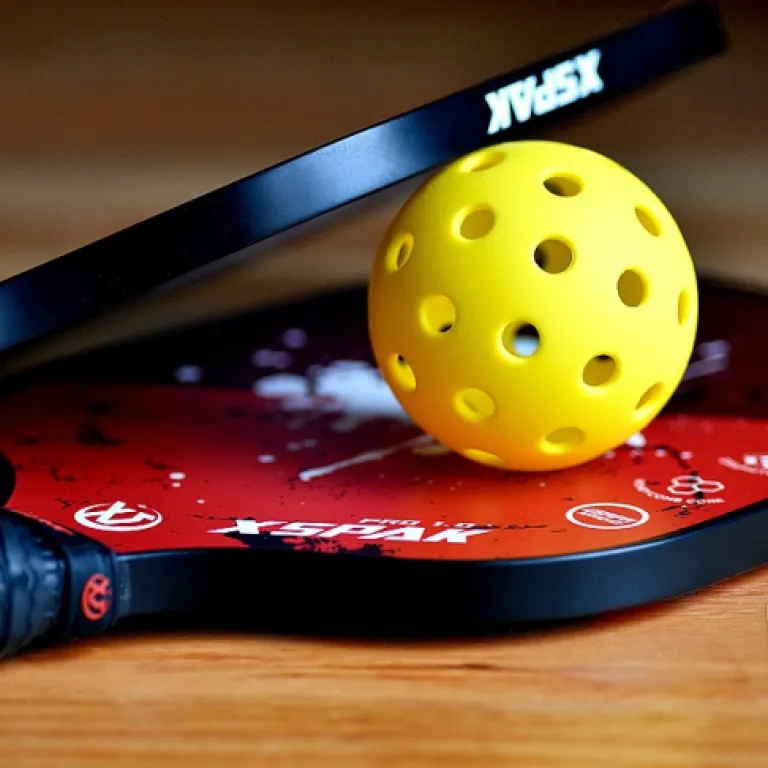
Understanding the basics of a legal pickleball serve
What Makes a Pickleball Serve Legal?
To start a rally in pickleball, the serve is your first shot and sets the tone for the point. Understanding what makes a serve legal is essential for both beginners and experienced players. The serve must follow specific rules established by USA Pickleball, the sport’s governing body in the USA, to ensure fair play and consistency across matches.
Core Elements of a Legal Serve
- Serving Position: The server must stand behind the baseline and within the imaginary extension of the centerline and sideline. Both feet must be behind the baseline when the paddle contacts the ball.
- Serve Type: There are two main types of serves: the volley serve and the drop serve. In a volley serve, the ball is hit out of the air without bouncing. In a drop serve, the server drops the ball and hits it after it bounces on the playing surface.
- Ball Contact: For a volley serve, the paddle must contact the ball below the server’s waist, and the paddle head must be below the wrist at the moment of contact. The serve must be made with an upward motion.
- Serve Direction: The ball must travel diagonally across the court, landing in the opponent’s service zone, beyond the non-volley zone (also known as the kitchen).
- Serving Sequence: Only one player from the serving team serves at the start of the game. After a fault, the serve passes to the next server or the receiving team, depending on the game’s stage.
Serving Rules and Court Zones
Pickleball rules require the ball to clear the non-volley zone and land within the correct service area. If the ball bounces in the wrong zone or touches the non-volley zone line, it’s a fault. The serve must not touch the net and land out of bounds. These rules help maintain fairness and challenge both the serving and receiving teams.
Why Mastering the Serve Matters
Developing a consistent, legal pickleball serve is crucial for success. Not only does it prevent faults, but it also gives your team a strategic advantage. If you want to improve your grip and control for a better serve, check out this guide on mastering the continental grip in pickleball. Mastery of the serve lays the foundation for advanced techniques and helps you avoid common mistakes that can cost points.
Key rules for a legal pickleball serve
Essential Serving Rules Every Player Should Know
Understanding the rules for a legal pickleball serve is crucial for both new and experienced players. The serve is the starting point of every rally, and following the correct serving rules ensures fair play and avoids unnecessary faults.- Serve Position: The server must stand behind the baseline and within the imaginary extension of the centerline and sideline. Both feet must remain behind the baseline until the ball is hit.
- Serving Sequence: In doubles, the serving team alternates servers after each fault, except at the start of the game. The server must call the score before serving.
- Ball Contact: The ball must be hit below the waist with a paddle head below the wrist. This is known as an underhand serve. The ball can be served using either a traditional volley serve (hit out of the air) or a drop serve (ball dropped and hit after it bounces).
- Serve Direction: The serve must travel diagonally across the court, landing in the opposite service court beyond the non-volley zone (also called the kitchen).
- Non-Volley Zone: The serve must clear the non-volley zone and its line. If the ball lands on the non-volley zone line or inside the zone, it is a fault.
- Let Serves: If the served ball touches the net but lands in the correct service court, play continues. There are no re-serves for lets under current USA Pickleball rules.
- One Serve Attempt: Only one serve attempt is allowed per server, except in the case of a let.
Why Following Serving Rules Matters
Adhering to these serving rules helps maintain the flow of the game and prevents disputes between the serving team and the receiving team. Each rule is designed to keep the game fair and competitive, whether you are playing singles or doubles. For those looking to refine their singles strategy, check out this guide on mastering the art of singles play in pickleball. Knowing the rules for a legal pickleball serve not only reduces faults but also builds confidence in your game. Consistent application of these rules can make a significant difference in your performance and enjoyment on the court.Common mistakes that make a serve illegal
Frequent Errors That Lead to Illegal Serves
Even experienced players can make mistakes that turn a legal pickleball serve into a fault. Understanding these common errors is key to improving your consistency and following the official pickleball rules set by USA Pickleball.
- Incorrect Paddle Position: The paddle must strike the ball below the server’s waist, and the highest part of the paddle head must be below the wrist when the ball is hit. Many players accidentally raise the paddle too high, making the serve illegal.
- Foot Faults: The server’s feet must remain behind the baseline until after the ball is hit. Stepping on or over the baseline, or into the court, before making contact with the ball, is a common violation.
- Improper Ball Drop or Toss: For a volley serve, the ball must be hit out of the air without bouncing. For a drop serve, the ball must be dropped (not thrown or propelled) and allowed to bounce before being hit. Tossing the ball or bouncing it too forcefully can result in an illegal serve.
- Serving from the Wrong Zone: The serve must be made from behind the baseline and within the correct serving area. Serving from outside the designated zone or from the wrong side of the court is a frequent mistake, especially in doubles play.
- Ball Contact with the Non-Volley Zone: The serve must clear the non-volley zone (also called the kitchen) and land in the correct service court. If the ball bounces in the non-volley zone or on the non-volley line, it’s a fault.
- Double Bounce or Missed Hit: The server must hit the ball cleanly. If the ball bounces twice before being hit, or if the server misses the ball entirely, the serve is not legal.
How to Spot and Avoid These Mistakes
To keep your pickleball serves legal, always review the latest USA Pickleball rules and practice your serving technique. Watching for foot placement, paddle position, and ensuring the ball lands in the correct area can help you avoid faults. If you’re new to the game or want to brush up on the basics, check out this guide on mastering the basics of playing pickleball singles for more tips on legal play.
Remember, consistent legal serving not only keeps your team in the game but also sets the tone for fair play and sportsmanship on the court.
Techniques to improve your legal pickleball serve
Refining Your Serve Technique for Consistency
A reliable pickleball serve starts with a consistent routine. Before you hit the ball, make sure your feet are behind the baseline and your paddle is ready. Focus on a smooth, controlled motion rather than power. Many players find it helpful to practice both the volley serve and the drop serve, as each has unique advantages depending on the situation and the rules set by USA Pickleball.- Stance and Balance: Stand with your feet shoulder-width apart, weight balanced, and knees slightly bent. This helps you maintain control and react quickly if you need to adjust your serve.
- Paddle Position: Hold the paddle below your waist for a legal serve. The paddle head should be below your wrist when you hit the ball, as required by serving rules.
- Ball Release: For a volley serve, drop the ball from your non-paddle hand and strike it before it bounces. For a drop serve, let the ball bounce on the playing surface before hitting it. In both cases, make sure the ball is hit diagonally into the correct service zone.
- Follow-Through: After you hit the ball, follow through in the direction you want it to go. A controlled follow-through helps with accuracy and ensures the serve lands in the correct area of the court.
Drills to Sharpen Your Legal Pickleball Serve
Practicing specific drills can help you master the serve and avoid common mistakes that lead to faults. Here are a few effective drills:- Target Practice: Place cones or markers in the service zone and aim to land your serves as close as possible to these targets. This improves your accuracy and helps you avoid serving faults.
- Serve Variety: Alternate between volley serves and drop serves during practice. This prepares you for different match situations and helps you adapt to the latest pickleball rules.
- Footwork Drills: Practice moving into position for the serve and resetting after each serve. Good footwork ensures you stay behind the baseline and avoid stepping into the volley zone too early.
Building Confidence Under Pressure
Serving under match conditions can be stressful, especially when the score is close. To build confidence:- Simulate game scenarios during practice by keeping score and switching sides with a partner or team.
- Focus on your pre-serve routine to calm nerves and maintain consistency.
- Remember, a legal pickleball serve is about control and placement, not just speed or power.
How to handle disputes over serve legality
Resolving Serve Legality Disagreements on the Court
Disputes over whether a serve is legal can happen in pickleball, especially during close games. Knowing how to handle these situations calmly and fairly is important for both the serving team and the receiving team. Here’s how to approach serve legality disagreements:- Know the rules: Both teams should be familiar with the official pickleball rules, especially those set by USA Pickleball. This includes understanding the difference between a volley serve and a drop serve, as well as the requirements for a legal pickleball serve, such as the ball bounce, paddle position, and serving zone.
- Communicate respectfully: If a player or team believes a serve was not legal, raise the concern immediately but politely. Avoid escalating the situation. Clear communication can prevent misunderstandings about whether the ball hit the correct area or if the serve drop was performed correctly.
- Use the rules as a guide: Refer to the serving rules regarding the baseline, volley zone, and playing surface. For example, a serve must be made behind the baseline, and the ball must not touch the volley zone on the serve. If the rules are unclear, consult the official rulebook or a tournament referee if available.
- Replay the point if needed: In recreational play, if there’s uncertainty about the serve’s legality and no agreement can be reached, replaying the point is often the fairest solution. This keeps the game moving and maintains a friendly atmosphere.
- Respect the final decision: In organized play, the referee’s decision is final. In casual games, agree as a group on how to handle future disputes to ensure consistency.
Impact of a legal serve on your overall game
Why a Consistently Legal Serve Matters in Competitive Play
Mastering a legal pickleball serve is more than just following the rules. It sets the tone for every rally and can influence the outcome of a match. When a player consistently delivers serves that meet the official pickleball rules, it creates confidence for the serving team and puts pressure on the receiving team. A legal serve ensures the point starts fairly, giving both teams an equal chance to compete.
Building Momentum and Strategy from the First Hit
Every serve is an opportunity to gain an advantage. A well-executed, legal pickleball serve can force the receiving team into a defensive position, especially if the ball lands deep near the baseline or close to the sideline. This can make it harder for the receiving player to return the ball with control, increasing the chances for the serving team to win the point. Consistent legal serves also allow the server to develop a rhythm, making it easier to vary between a drop serve and a volley serve as the match progresses.
Reducing Unforced Errors and Avoiding Penalties
Illegal serves often result in faults, giving away free points to the opposing team. By understanding and applying the correct serving rules—such as making sure the ball is hit below the waist, the paddle is moving in an upward arc, and the server’s feet are behind the baseline—players minimize the risk of faults. This not only keeps the score in their favor but also helps maintain the flow of the game.
Enhancing Team Communication and Confidence
For doubles play, a reliable legal serve helps the serving team coordinate their next moves. When the server consistently delivers legal pickleball serves, the partner can confidently position themselves in the court, ready for the next volley or to defend the volley zone. This teamwork is crucial for maintaining control over the rally and executing planned strategies.
Long-Term Skill Development
Practicing legal serves not only reduces mistakes but also helps players improve their overall technique. Over time, this leads to better ball control, more accurate placement, and a deeper understanding of how to use the court’s zones to their advantage. Players who focus on legal serving habits often see improvements in their volleys, drops, and overall match performance.
| Serve Aspect | Impact on Game |
|---|---|
| Legal serve execution | Reduces faults, builds momentum |
| Consistent serving | Improves team strategy and confidence |
| Understanding rules | Prevents penalties, ensures fair play |
| Serve variety (drop, volley) | Keeps opponents guessing, creates opportunities |
By focusing on legal pickleball serving, players not only comply with USA Pickleball standards but also build a strong foundation for competitive and enjoyable play. Every legal serve is a step toward becoming a more effective and respected player on the court.