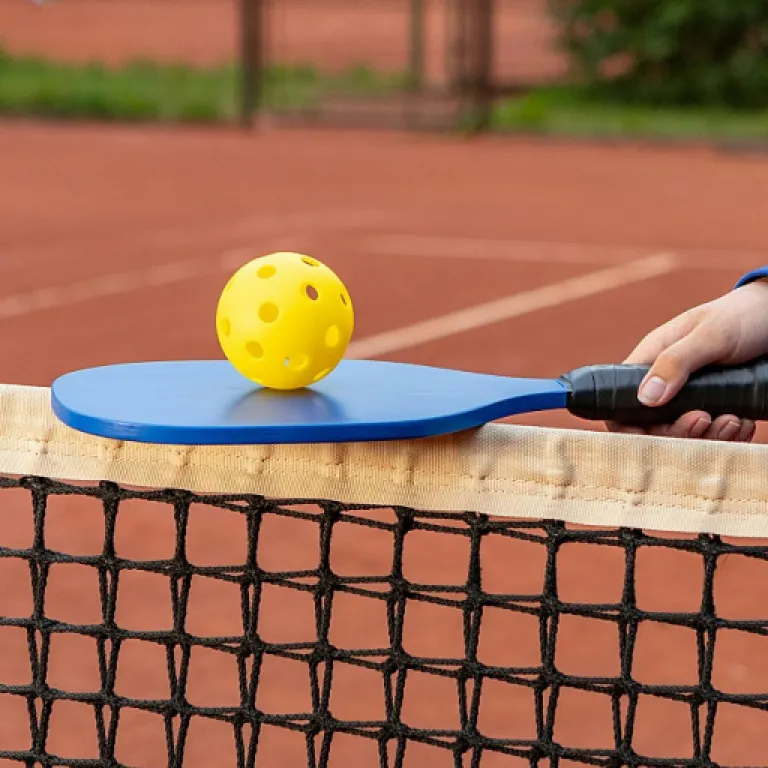
Understanding wood pickleball paddles
What Makes Wooden Pickleball Paddles Unique?
Pickleball has grown rapidly, and so has the variety of paddles available to players. Among the many options, wooden pickleball paddles stand out for their classic design and accessibility. These paddles were the original standard when the sport began, and they remain a reliable choice for both beginners and those who appreciate tradition. Wooden paddles are typically constructed from hardwoods like maple or plywood, offering a solid feel and consistent performance on the court.
Key Features of Wooden Paddles
- Durability: Wooden paddles are known for their robust build, making them less likely to chip or crack compared to some modern materials.
- Affordability: They are often the most budget-friendly option, making pickleball accessible to more players, including schools and community centers.
- Weight: Wooden paddles are heavier than composite or carbon fiber paddles, which can influence control and power during play.
- Grip and Size: Most wooden paddles come in a standard size, suitable for both men and women, though some models offer variations for different hand sizes.
While modern materials like graphite, fiberglass, and carbon fiber have introduced new possibilities in paddle design, wooden paddles continue to offer a unique playing experience. Their solid core, typically without a honeycomb or polymer core, provides a distinct feel and sound when striking the ball. This makes them a favorite for players who value control and a traditional touch.
For those interested in exploring how wooden paddles compare to other popular products, you might find this review of trending pickleball paddle brands helpful. It highlights how different materials and construction methods impact performance, price, and player preference.
Understanding the basics of wooden pickleball paddles sets the stage for evaluating their advantages, potential drawbacks, and how they stack up against composite and graphite options. This foundation will help you make an informed choice as you consider your next pickleball paddle.
Advantages of choosing wood paddles
Why wood paddles still matter in today’s pickleball game
Wooden pickleball paddles have been around since the sport’s early days, and despite the rise of modern materials like carbon fiber, graphite, and fiberglass, they remain a smart choice for many players. Here’s why wooden paddles continue to hold their ground in the world of pickleball:
- Affordability: Wood pickleball paddles are often the most budget-friendly option on the market. For new players or those looking for a backup paddle, the lower price point makes them accessible without sacrificing basic performance.
- Durability: Compared to some composite or graphite fiberglass paddles, wooden paddles can withstand rough play and accidental drops. The solid wood material resists dents and cracks, making them a reliable product for recreational play.
- Consistent feel: Many players appreciate the predictable response of a wooden paddle. The solid core provides a standard, even feel across the paddle face, helping with control and shot placement. This can be especially helpful for beginners learning the basics of paddle pickleball.
- Heavier weight for control power: While some may see the extra weight as a drawback, others find it helps generate more power and stability during play. The added mass can make it easier to block fast shots and maintain control, especially for men and women who prefer a solid, steady swing.
- Simple construction: Wooden paddles don’t have the complex honeycomb core or polymer core found in many modern paddles. This simplicity can mean fewer things to break or wear out over time, making them a long-lasting choice for schools, clubs, and community centers.
While advanced players might gravitate toward lightweight carbon fiber or fiberglass paddles for speed and maneuverability, the advantages of wood pickleball paddles remain relevant for many. If you’re curious about how wood stacks up against the latest materials, check out this guide to carbon fiber pickleball paddles for a deeper comparison.
Ultimately, wooden pickleball paddles offer a blend of value, durability, and control that continues to appeal to a wide range of players, from beginners to seasoned enthusiasts.
Drawbacks to consider with wood paddles
Potential Limitations When Playing With Wooden Paddles
While wooden pickleball paddles offer affordability and durability, players should be aware of several drawbacks before making their choice. Understanding these limitations can help you decide if a wooden paddle fits your style of play and performance needs.
- Weight and Maneuverability: Wooden paddles are typically heavier than those made from modern materials like carbon fiber, fiberglass, or graphite. This extra weight can make quick reactions and fast volleys more challenging, especially for women, juniors, or players who prefer a lightweight paddle for better control and less fatigue.
- Reduced Sweet Spot and Control: The sweet spot on a wooden pickleball paddle is often smaller and less forgiving compared to composite or honeycomb core paddles. This can impact your ability to place the ball accurately and maintain consistent control power during play.
- Limited Power and Touch: Wooden paddles generally lack the advanced core technologies found in polymer core or carbon fiber paddles. As a result, players may notice less power and touch, which can affect both offensive and defensive shots.
- Comfort and Vibration: The solid wood material tends to transmit more vibration to the hand and arm, which might lead to discomfort during extended play. Modern paddles with a honeycomb or polymer core are designed to dampen these vibrations for a smoother playing experience.
- Standard Features: Many wooden paddles do not offer the ergonomic grips, edge guards, or advanced surface textures found in higher-end pickleball rackets. This can influence both comfort and performance, especially for men and women seeking a more tailored product.
Despite these drawbacks, wooden paddles remain a practical option for beginners, schools, or recreational players who prioritize price and durability over advanced performance. For those looking to maximize comfort and reduce fatigue, especially women and players with smaller hands, choosing the right footwear can also make a significant difference. For more on this, check out this guide on choosing the right women's pickleball shoes for comfort and performance.
Comparing wood paddles to composite and graphite options
Performance Differences: Wood vs. Modern Paddle Materials
When comparing wooden pickleball paddles to those made from composite or graphite materials, several key differences stand out. Each type of paddle brings unique characteristics to the court, influencing how players experience control, power, and overall play.
- Weight and Maneuverability: Wooden paddles are generally heavier than composite or graphite options. While this extra weight can help generate power, it may reduce quick maneuverability, especially for women, men, or younger players seeking a lightweight feel. Modern paddles, often made with carbon fiber or fiberglass, are designed to be lighter, making them easier to handle during fast-paced rallies.
- Control and Sweet Spot: Many players appreciate the solid feel of a wood pickleball paddle, which can offer reliable control for beginners. However, composite and graphite paddles typically feature a larger sweet spot and advanced core materials, such as honeycomb or polymer core, enhancing both control and forgiveness on off-center hits.
- Power and Ball Response: The core and surface materials of composite and graphite paddles, like carbon fiber or fiberglass, provide a responsive touch and increased "pop" off the ball. Wooden paddles, while sturdy, may lack the same level of ball response and control power, which can impact advanced play.
- Durability and Longevity: Wooden paddles are known for their durability and can withstand frequent play. However, modern materials like fiberglass and carbon fiber are engineered for both strength and performance, often outlasting basic wooden paddles in demanding conditions.
- Price and Accessibility: One of the main advantages of wood pickleball paddles is their affordability. They remain a standard choice for beginners or those seeking a budget-friendly product. Composite and graphite paddles, while offering advanced features, usually come at a higher price point.
| Feature | Wooden Paddle | Composite/Graphite Paddle |
|---|---|---|
| Weight | Heavier | Lightweight |
| Core Material | Solid wood | Honeycomb, polymer, carbon fiber |
| Control | Good for beginners | Enhanced, larger sweet spot |
| Power | Basic | High, responsive |
| Price | Low | Medium to high |
| Durability | Very durable | Durable, advanced materials |
Ultimately, the choice between wooden paddles and those made from modern materials like graphite fiberglass or carbon fiber depends on a player's priorities. Whether you value price, control, or advanced performance, understanding these differences helps you select the right pickleball paddle for your style of play.
Who should use wood pickleball paddles?
Ideal Players for Wooden Pickleball Paddles
Wooden pickleball paddles have a unique place in the sport, and certain players can benefit more from choosing this classic material. While modern materials like carbon fiber, graphite, and fiberglass paddles dominate advanced play, wood paddles still offer advantages for specific groups.
- Beginners and Recreational Players: Wooden paddles are often recommended for those new to pickleball. Their standard size, generous sweet spot, and affordable price make them a practical starting point. Players can focus on learning control and technique without a significant investment.
- Schools and Community Centers: Because of their durability and low cost, wooden pickleball paddles are a popular choice for group settings. They withstand frequent use and are less likely to be damaged compared to composite or graphite fiberglass options.
- Budget-Conscious Players: If price is a major factor, wood paddles are the most accessible product on the market. They allow anyone to start playing pickleball without breaking the bank, making the sport more inclusive.
- Players Seeking Control: Wooden paddles provide a solid feel and reliable control power. While they may lack the lightweight touch of carbon fiber or polymer core paddles, some players appreciate the feedback and stability that wood offers, especially when learning ball placement.
- Men and Women Looking for a Classic Experience: For those who enjoy the traditional feel of a wooden paddle, or want to experience the game as it was originally played, wood remains a satisfying choice. Both men and women can find standard or slightly lighter wooden paddles to suit their play style.
However, players who prioritize lightweight paddles, advanced spin, or a honeycomb core for enhanced performance may prefer modern materials. Still, wooden pickleball paddles continue to serve as a reliable, accessible option for many, especially in settings where durability and price matter most.
Tips for maintaining and choosing the right wood paddle
How to Care for Your Wooden Pickleball Paddle
Proper maintenance is essential to keep your wooden pickleball paddle performing at its best. While wood paddles are known for their durability, they still require some attention to maintain control and a consistent sweet spot. Here are some practical tips:
- Clean after play: Wipe the paddle with a soft, damp cloth to remove dust, dirt, and sweat. Avoid soaking the wood, as excess moisture can damage the material.
- Store in a dry place: Keep your paddle away from direct sunlight and humidity. Extreme temperatures or moisture can warp wood and affect playability.
- Inspect for damage: Regularly check for cracks, chips, or splinters. Address minor issues early to prevent further damage and maintain control power.
- Avoid harsh impacts: Wooden paddles are sturdy, but repeated hard hits against the ground or other paddles can shorten their lifespan.
- Grip care: Replace the grip if it becomes worn or slippery. A good grip enhances control for both men and women players.
Choosing the Right Wooden Paddle for Your Needs
With a variety of pickleball paddles on the market, selecting the right wooden paddle involves considering your style of play, preferences, and budget. Here are some factors to help you decide:
- Weight: Wooden paddles are generally heavier than composite or carbon fiber options. If you prefer a lightweight paddle for faster reaction, check the product specifications for weight details.
- Grip size: Choose a grip that fits comfortably in your hand. Standard grip sizes work for most players, but women or those with smaller hands may prefer a thinner grip.
- Core and surface: While wood paddles typically have a solid core, some modern materials offer honeycomb or polymer core options for improved control and power. Compare these features with composite, graphite, or fiberglass paddles if you want a different feel.
- Price: Wooden pickleball paddles are often more affordable than carbon fiber or fiberglass paddles, making them a smart choice for beginners or those seeking value.
- Certification: If you plan to play in official tournaments, ensure your paddle meets USA Pickleball standards.
By maintaining your wooden paddle and choosing the right product for your needs, you can enjoy consistent performance and control on the court, whether you are new to pickleball or a seasoned player exploring different materials.